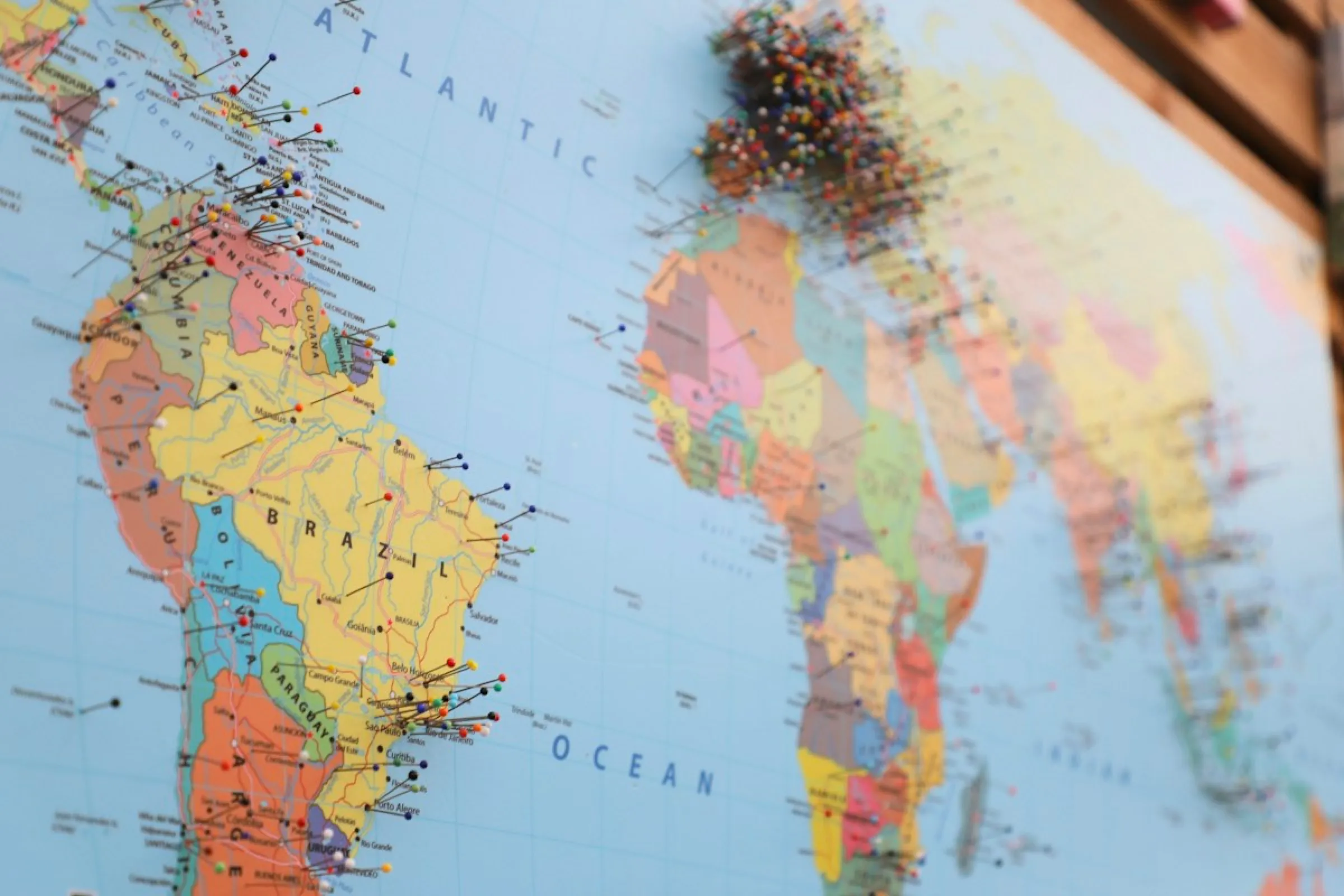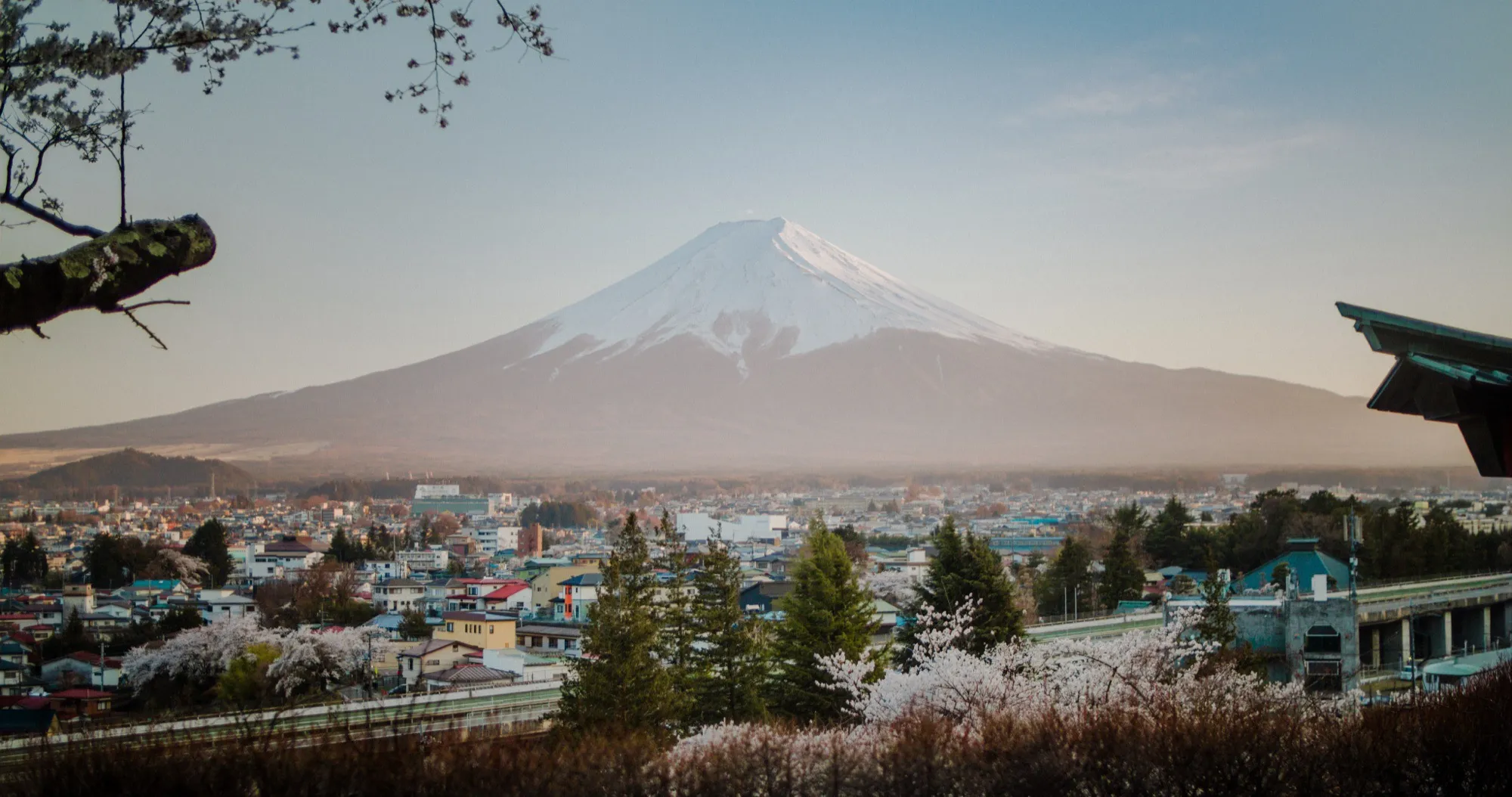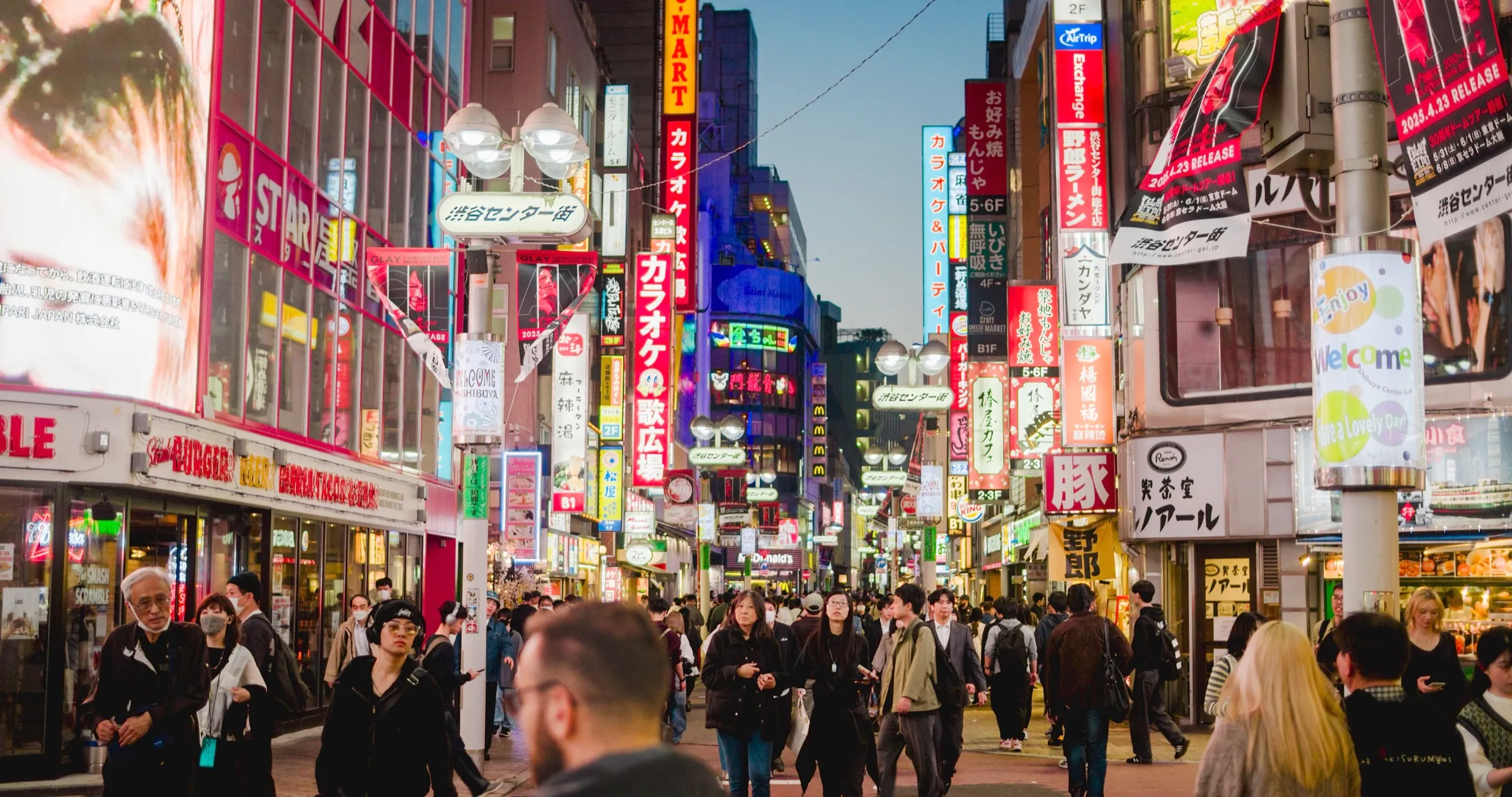
Japan is a country everyone says is “decades ahead.” I wanted to see it for myself – and ideally film the whole thing. Spoiler: getting there means 13 hours in a metal tube plus one unplanned stop in China. But once you survive that, you get one of the most interesting countries in the world.
Flight tip: I searched for routes through Kiwi.com – it combines multiple airlines at once and surfaces connecting routes that individual airlines don’t show on their own.
Days 1–2: 12 hours in a Chinese “pen”
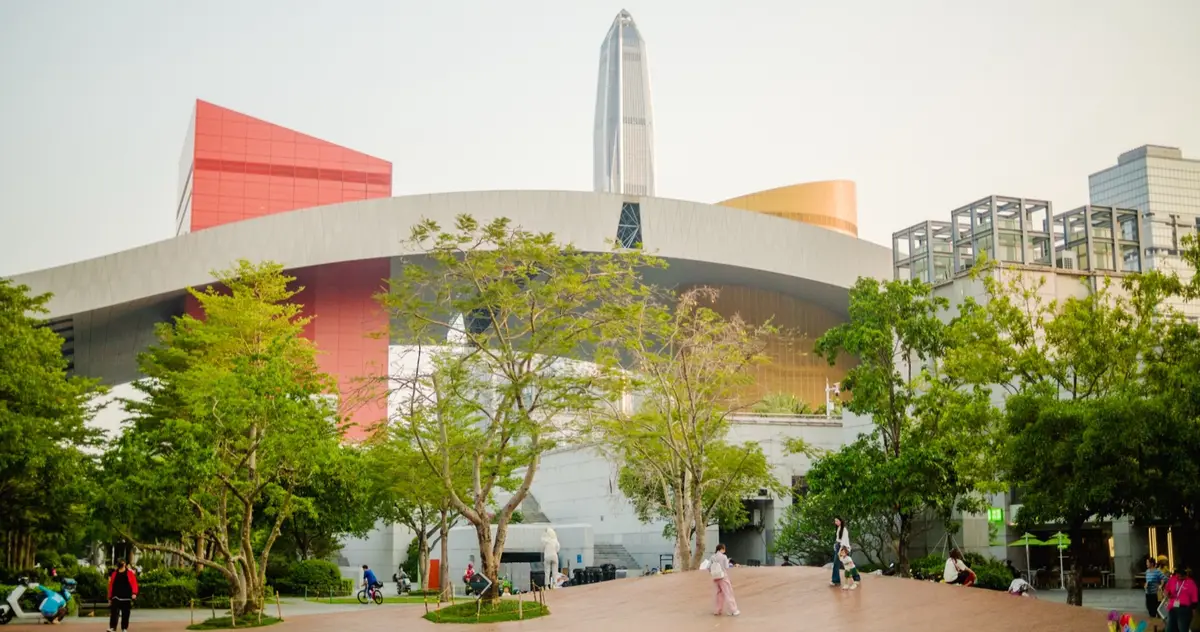
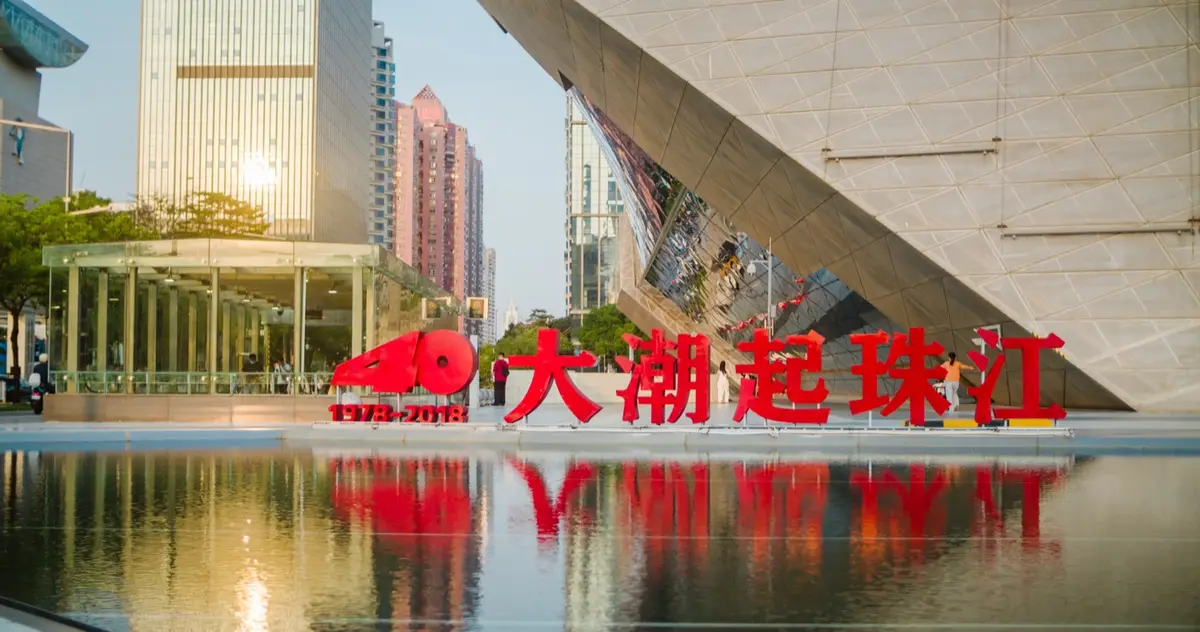
Sleep before departure? Two hours, as usual. An 11:00 flight to Shenzhen, almost 12 hours in the air – and then the trip’s first “WTF moment.” The Czech embassy had told us we didn’t need a 24-hour Chinese transit visa. Reality: you do. They put us in a corner that we and some other Czechs started calling the “pen,” and we spent 12 hours there – 5 of them right in that corner. At least we managed to help save an English woman who nearly missed her flight.
After transferring and another 3-hour flight to Osaka, the day’s final shock was waiting: a taxi from the airport, because the last trains and buses had already stopped running. Around $190 for five people is survivable, but without a hotel booking and fast internet, you’d be completely stuck.
Transfer tip: next time I’d book a night airport transfer in advance, for example through Kiwitaxi – that way you’re not relying on finding a taxi at night and hoping the price is fair.
Tip: activate your eSIM before departure, not once you land. I used Airalo, and the difference between chasing other people’s wifi and just having working internet the moment you land is huge.
Days 3–5: Osaka, a lost backpack, and F1 at Suzuka
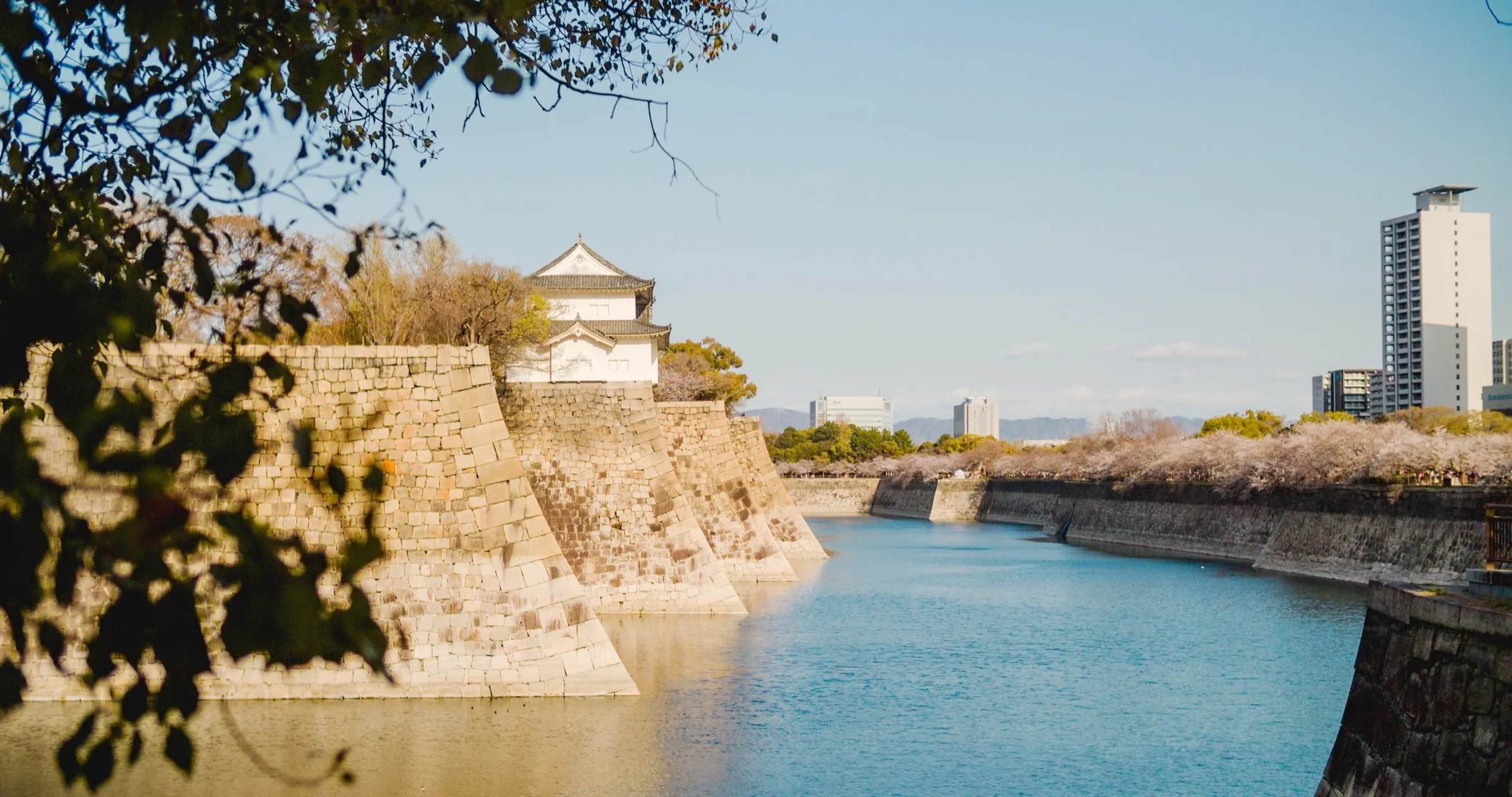
Photo Tomáš Vojíř
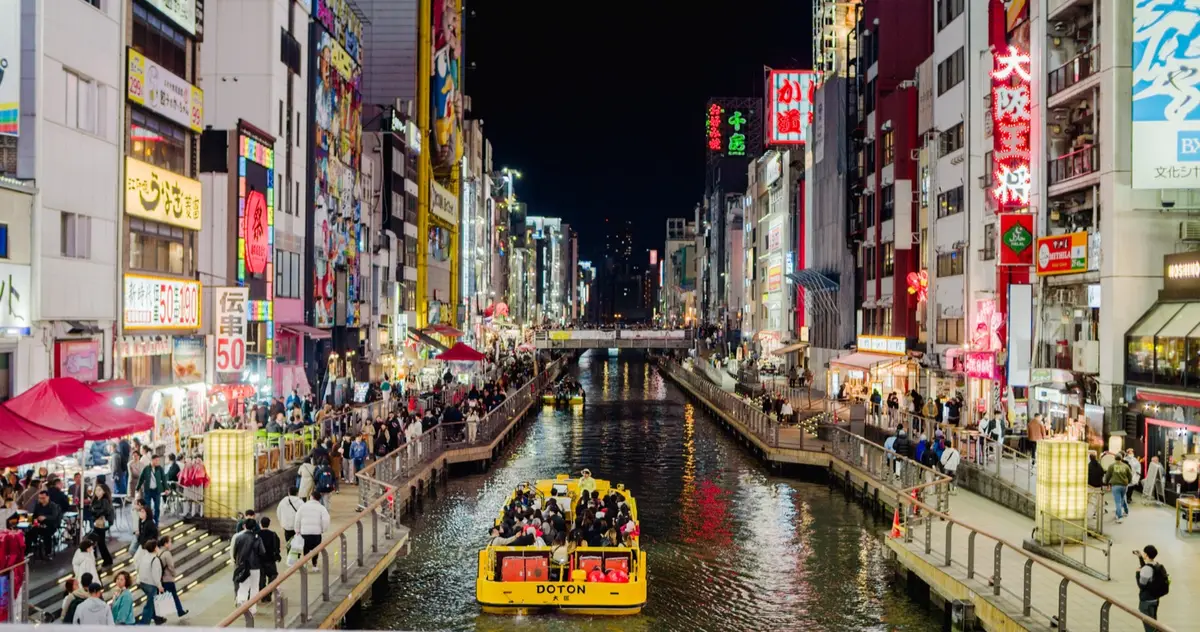
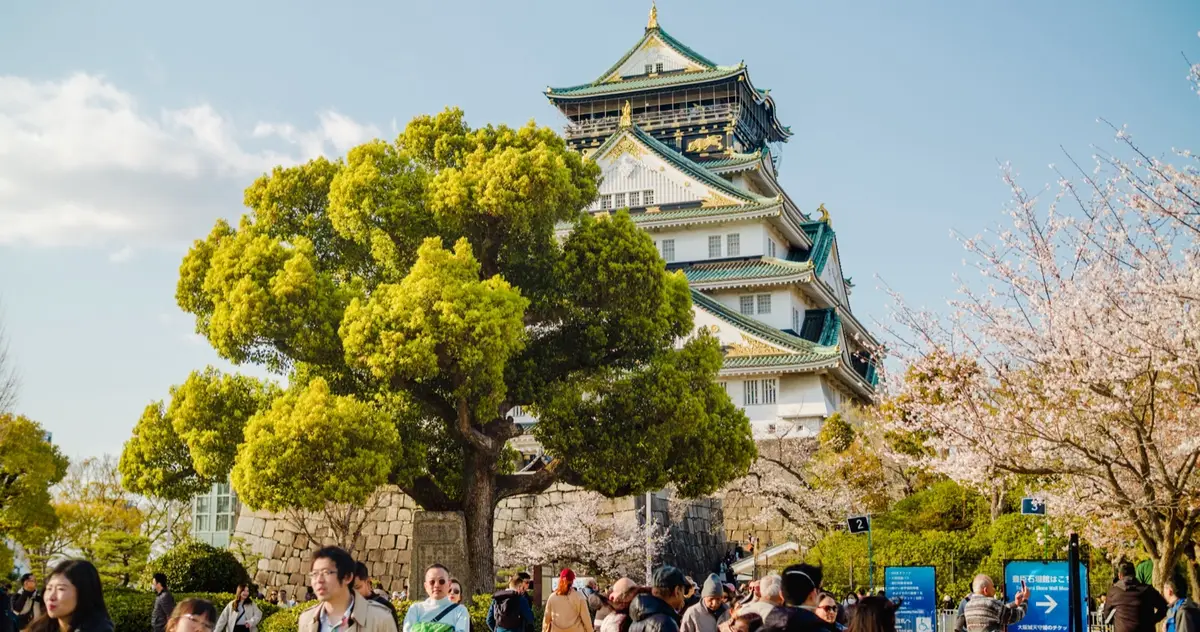
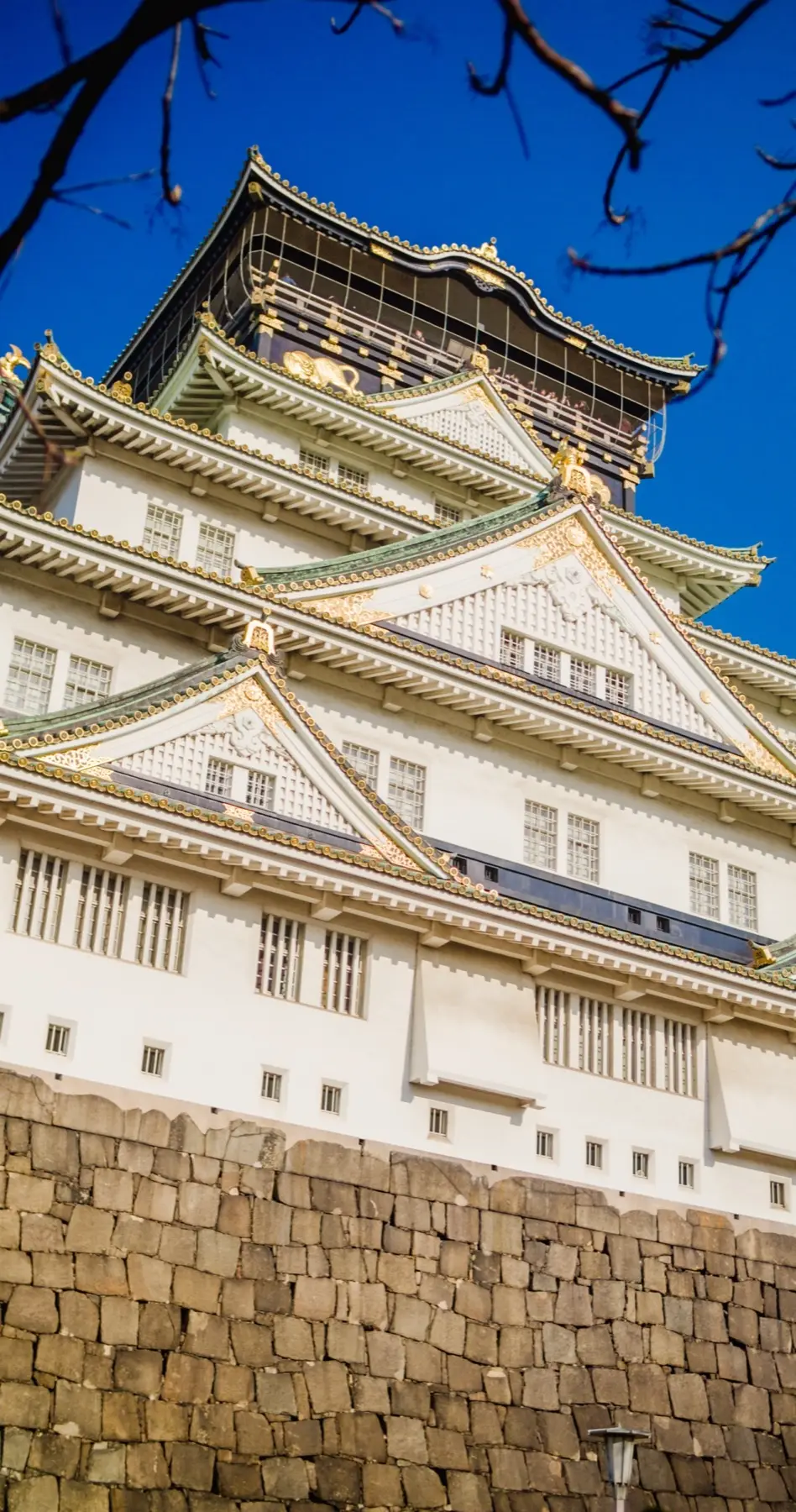
Osaka Castle, monumental temples, and my first big failure of the trip: I left my backpack (with everything in it) in a café because I enjoyed a coffee moment a little longer than was healthy. The woman at the café returned it to me – and thanked me more than I thanked her. Back home I’d probably have ended up buying new lenses and a laptop, but even there I hope it would have turned out the same.
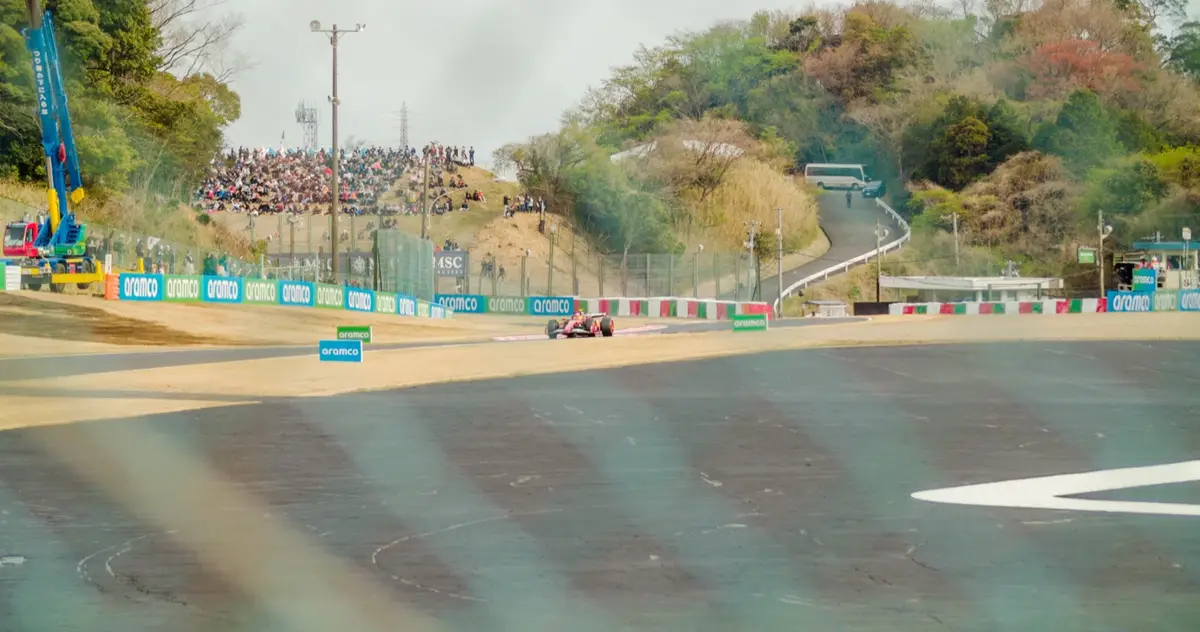
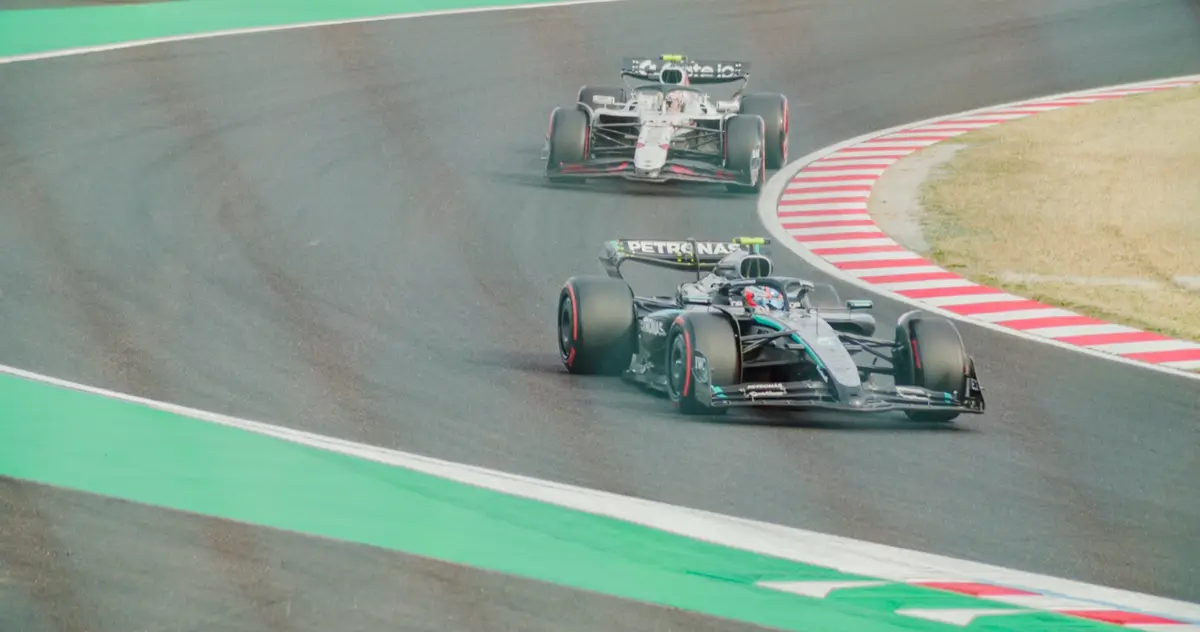
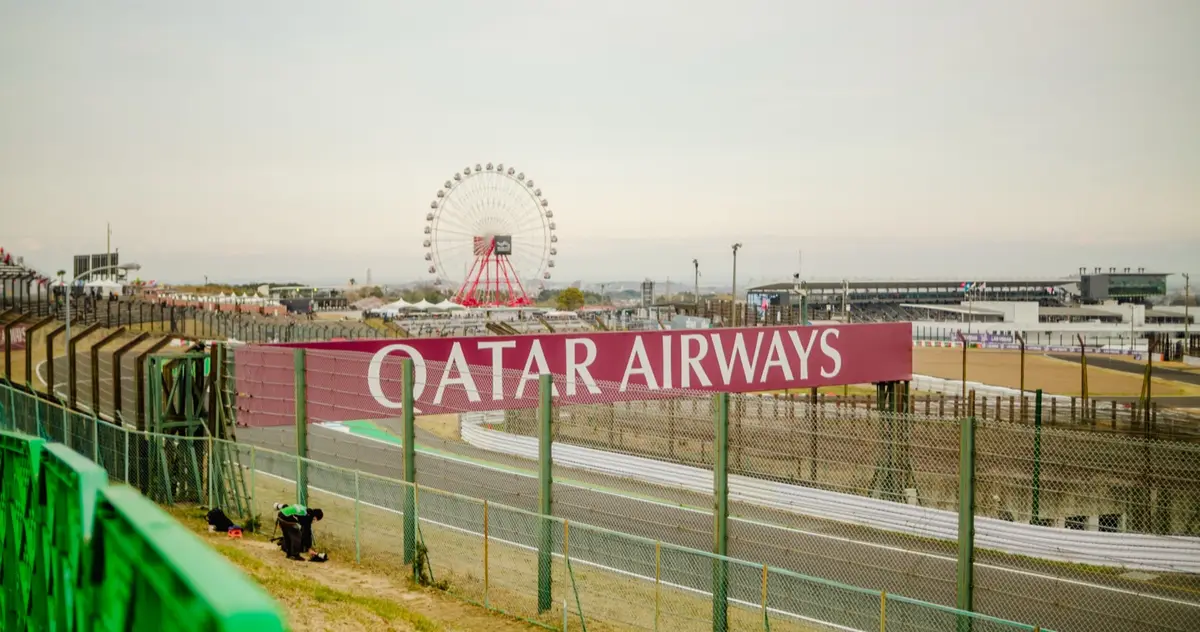
As an F1 fan, I had tickets for both qualifying and the race at Suzuka. Getting there is basically a logistics exercise – half of Japan walks from the station – but once you sit down, the sound, the smell of fuel, and the speed wipe out everything else. Japanese fans don’t cheer with noise but with respect, and I liked that more than I expected.
Tip for similar experiences/tickets: I book activities and attraction tickets in Japan (and elsewhere) through Klook – booking ahead saves you a queue that, after the race, easily ran to two hours.
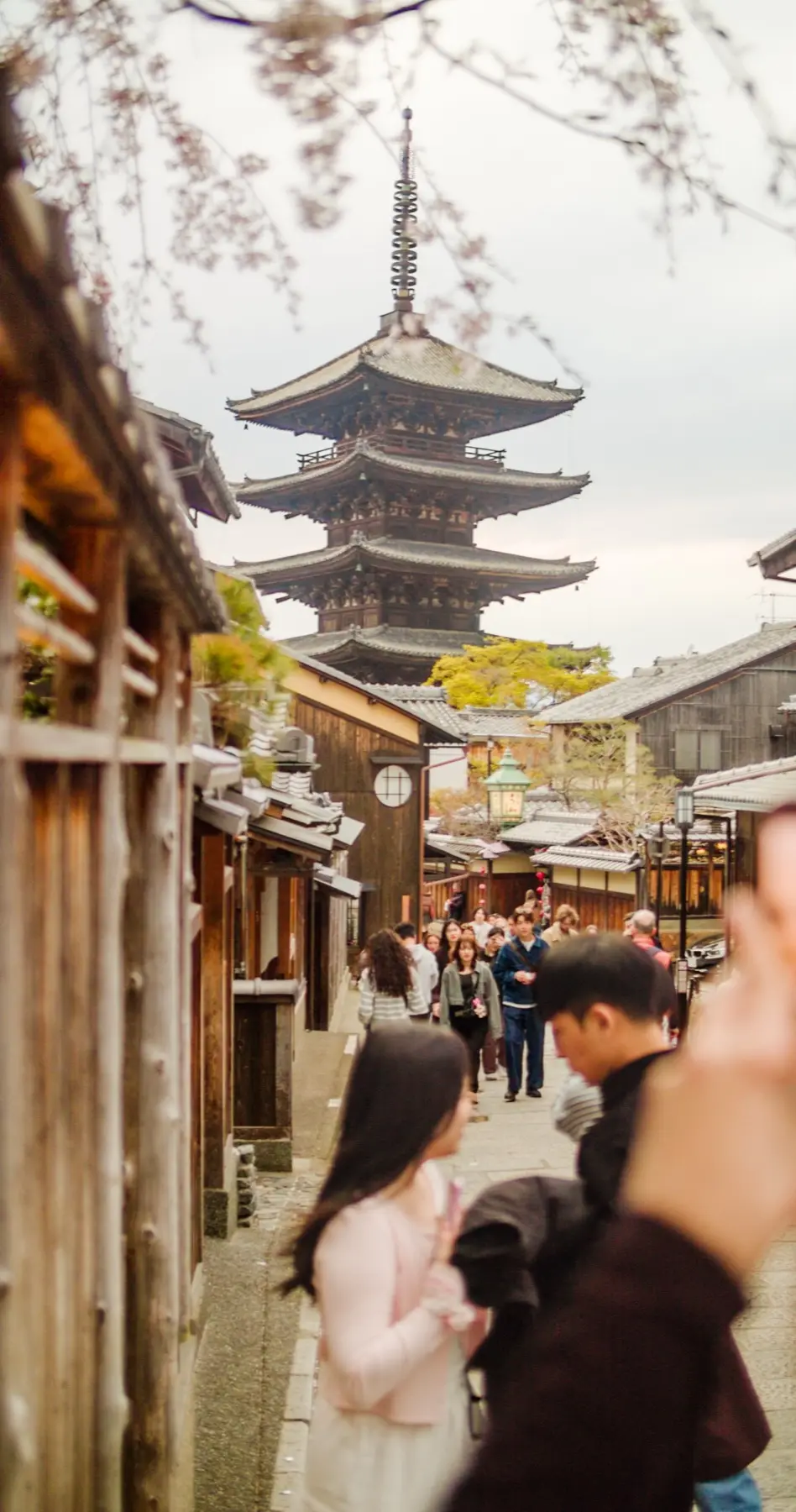
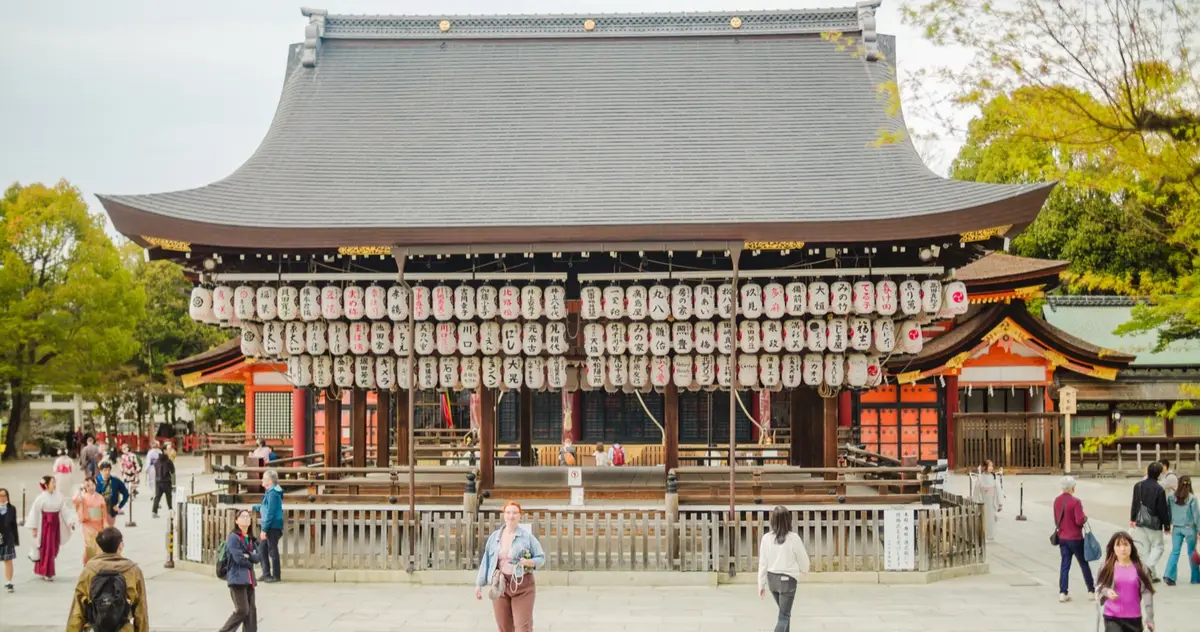
Days 7–9: Kyoto, a filter between the rails, and a carp fishing permit
In Kyoto, a camera filter fell out of my hands onto the tracks at the platform. A station attendant showed up with a pole and tape and fished it out like a pro – the second proof on this trip that things really do get returned in Japan.
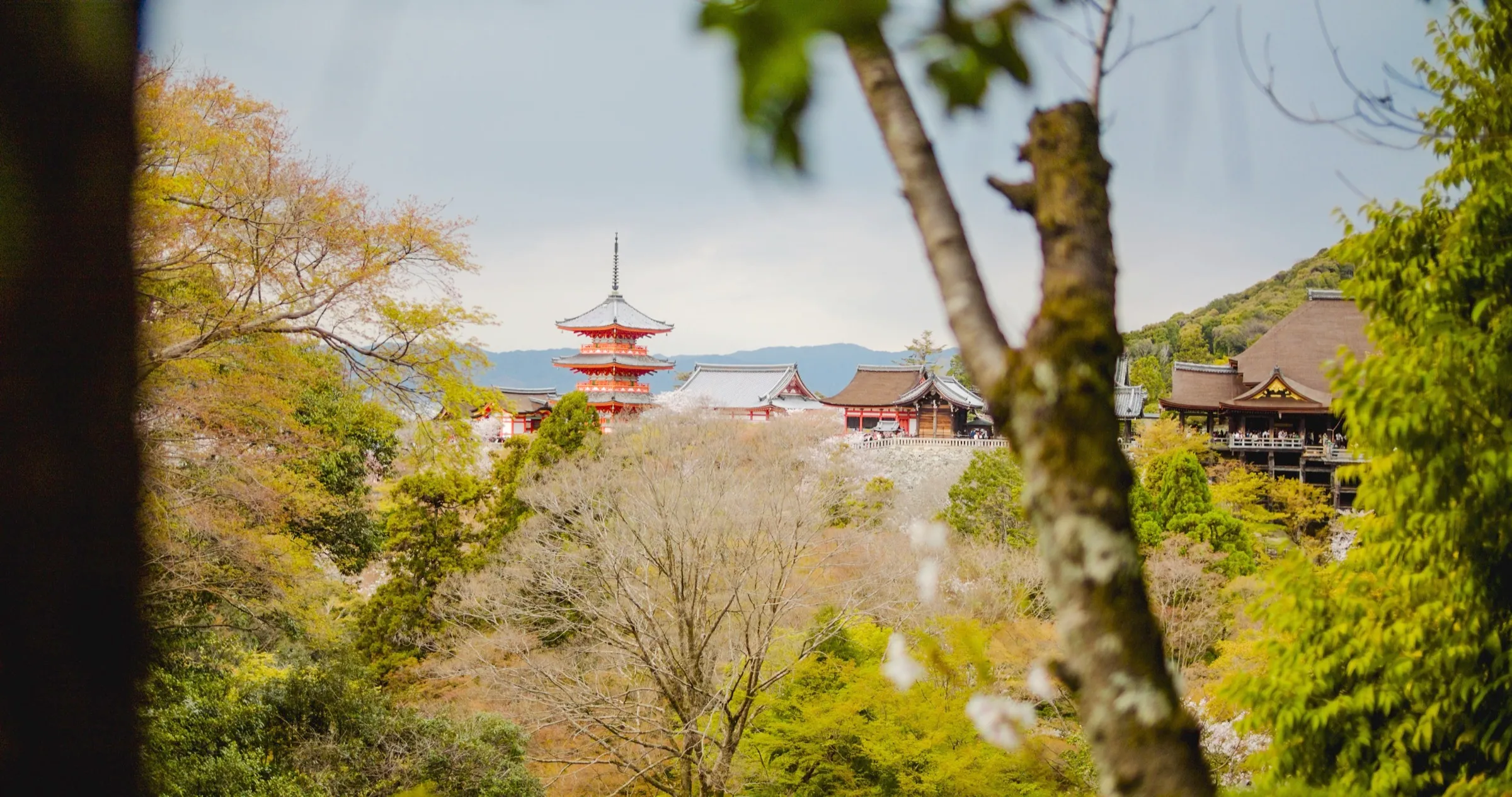
Photo Tomáš Vojíř
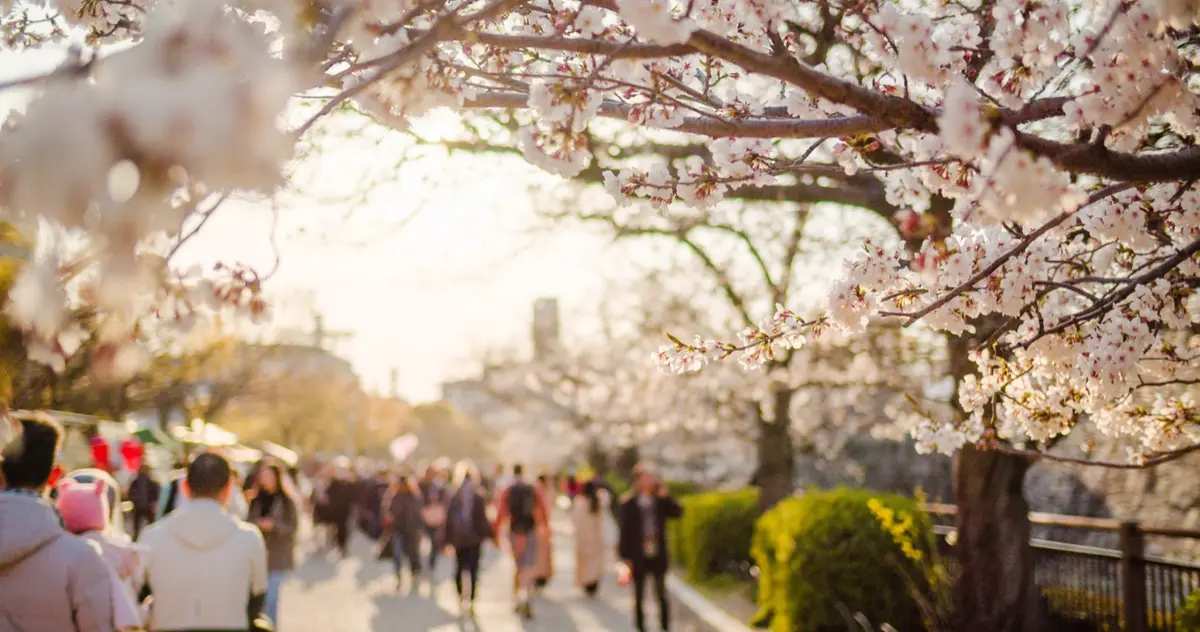
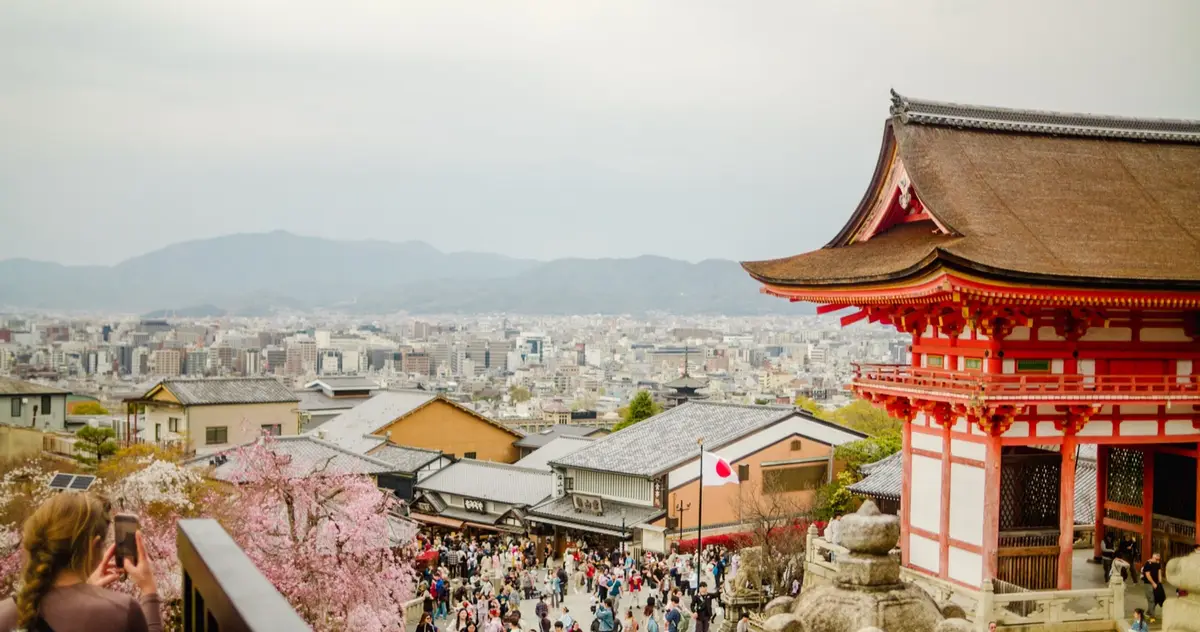
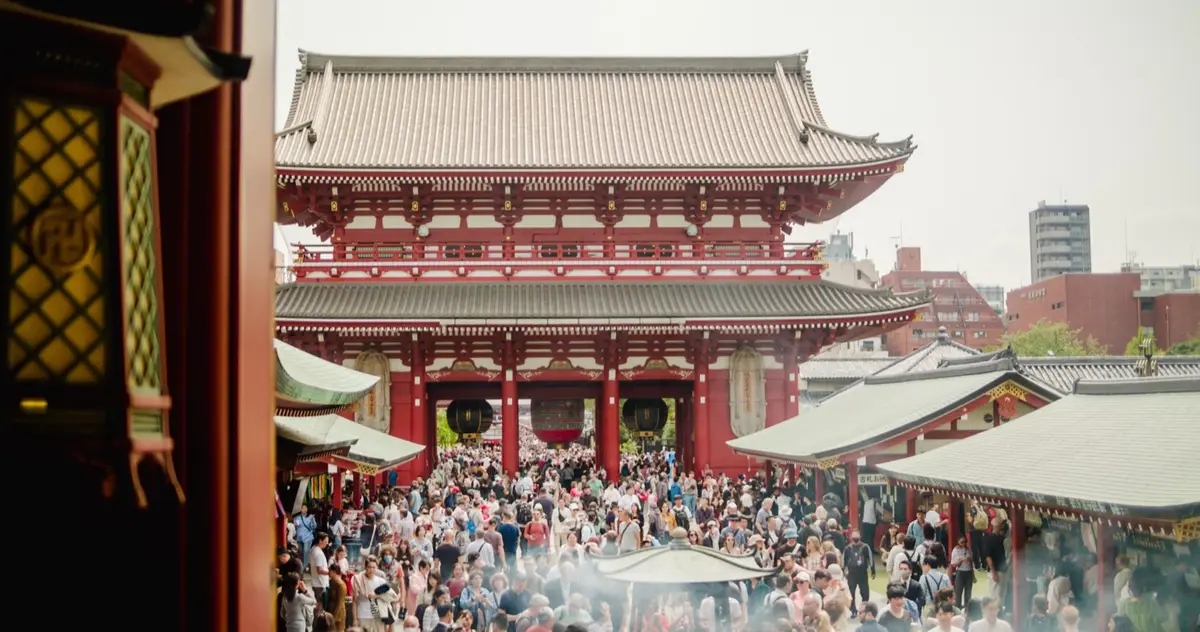
Kiyomizu-dera had crowds like I’d never experienced, but the temple complex is still breathtaking. A few days later, in Uji, I got a fishing permit and spent three hours trying to catch carp that ignored me completely – but a calm head by the water was worth it even without a catch.
And speaking of backpacks – after losing mine in Osaka, I decided my next travel backpack needed a proper organizer, so I’d at least know everything that was actually in it. I ended up with the PGYTECH Roller Camera Backpack – it has separate compartments for exactly this kind of chaos (camera, chargers, documents, snacks from Family Mart), and in Japan, where you’re packing and unpacking practically every other day, you appreciate it more than you’d expect.
Days 10–14: Fuji, the Shinkansen, and a lesson in not booking ahead
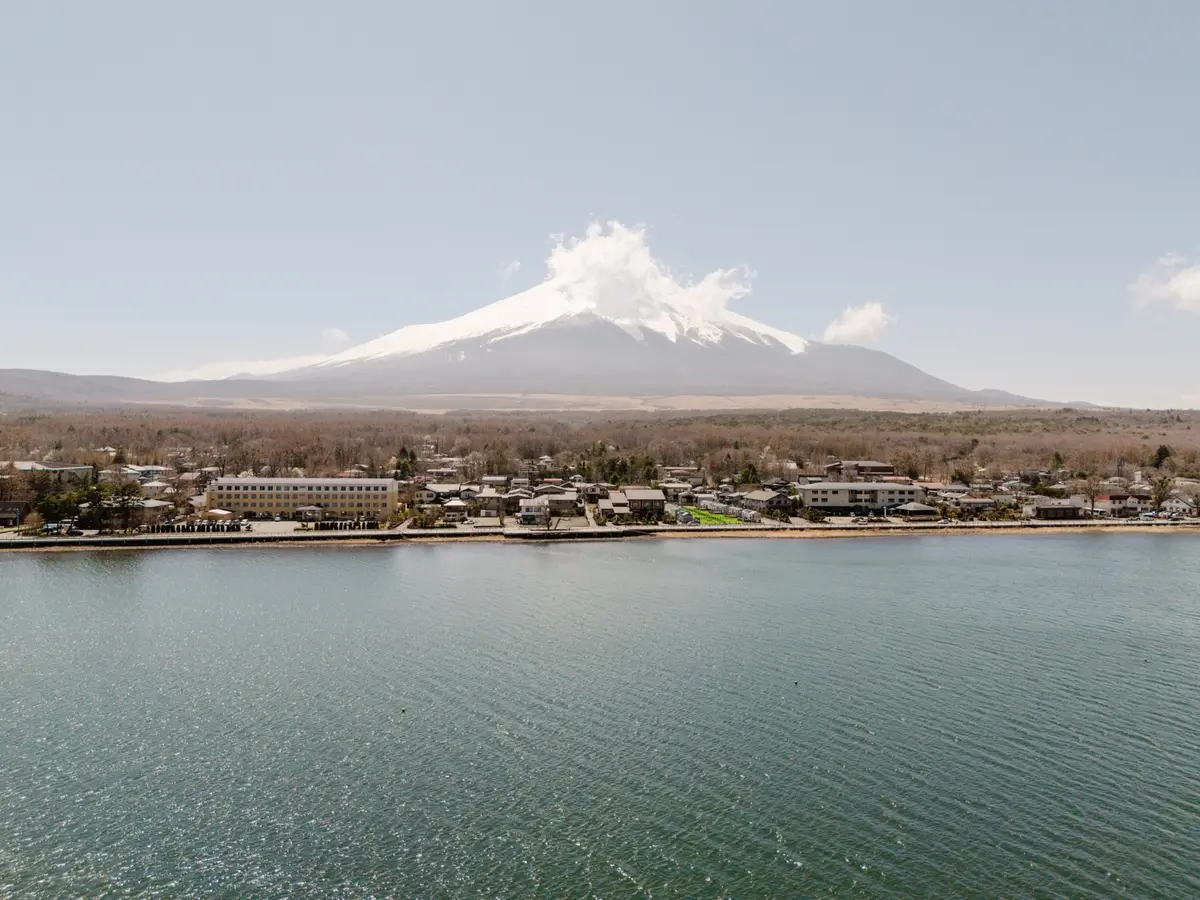
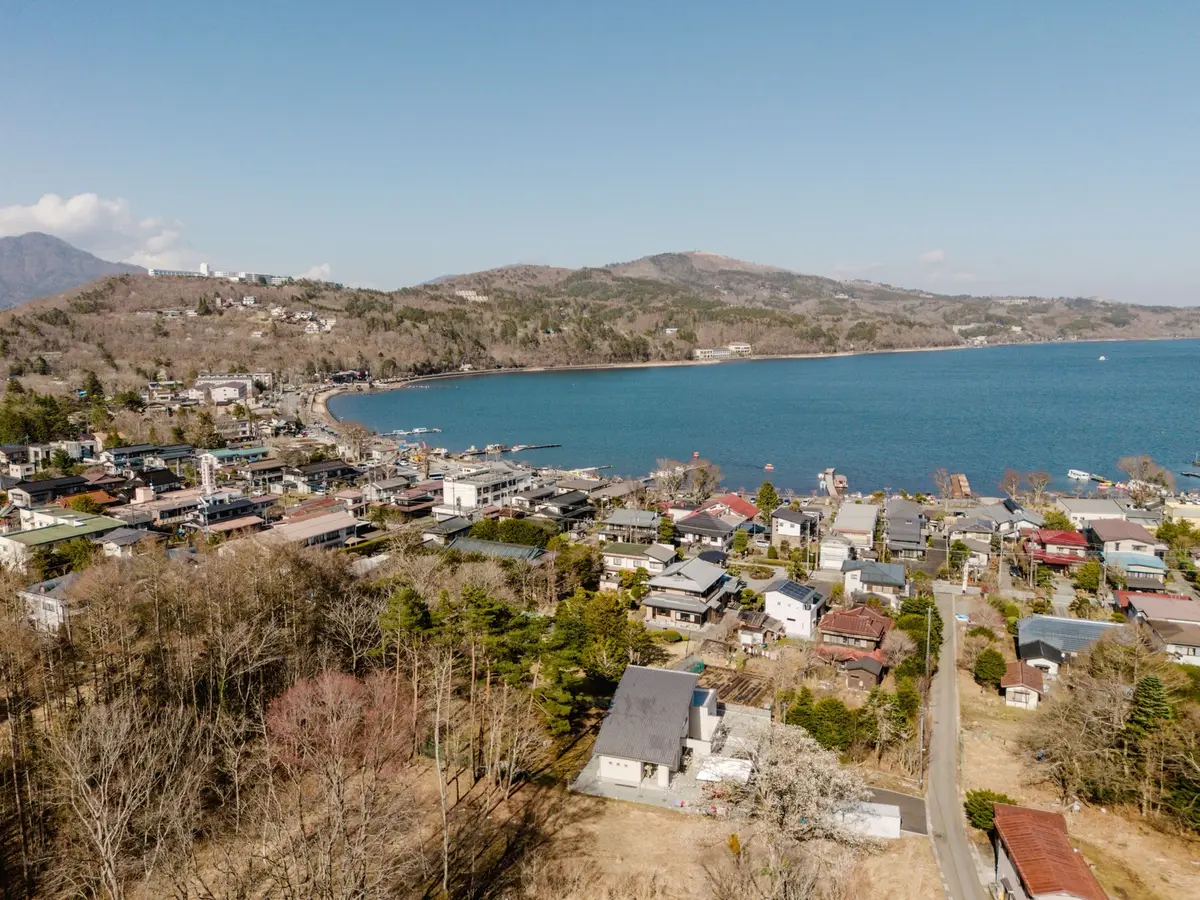
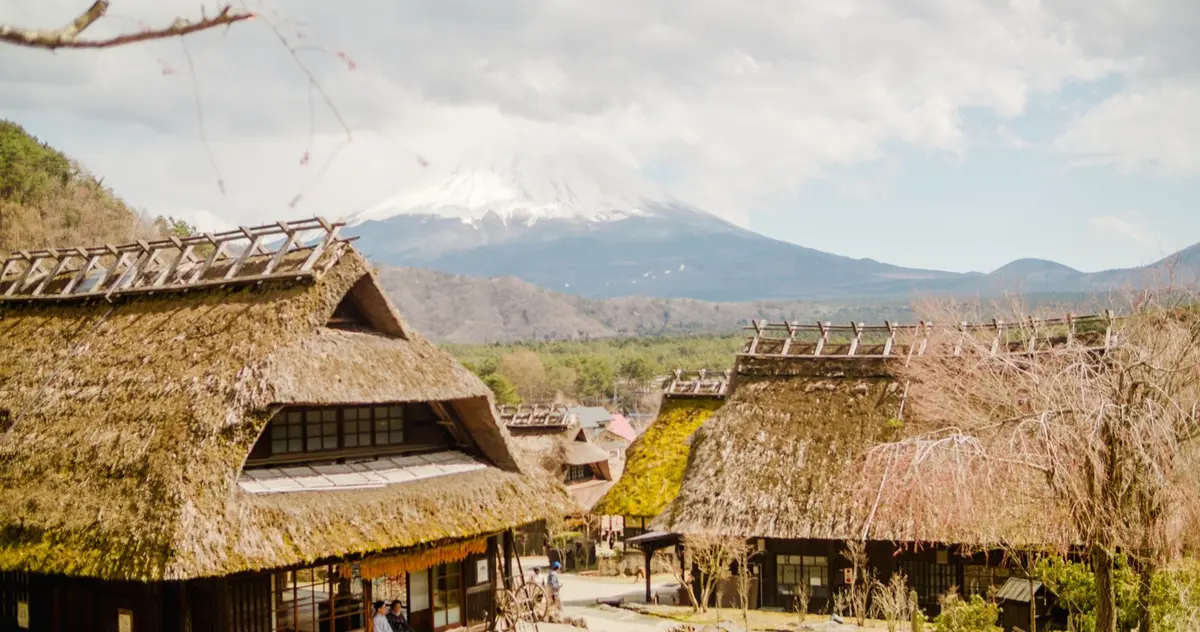
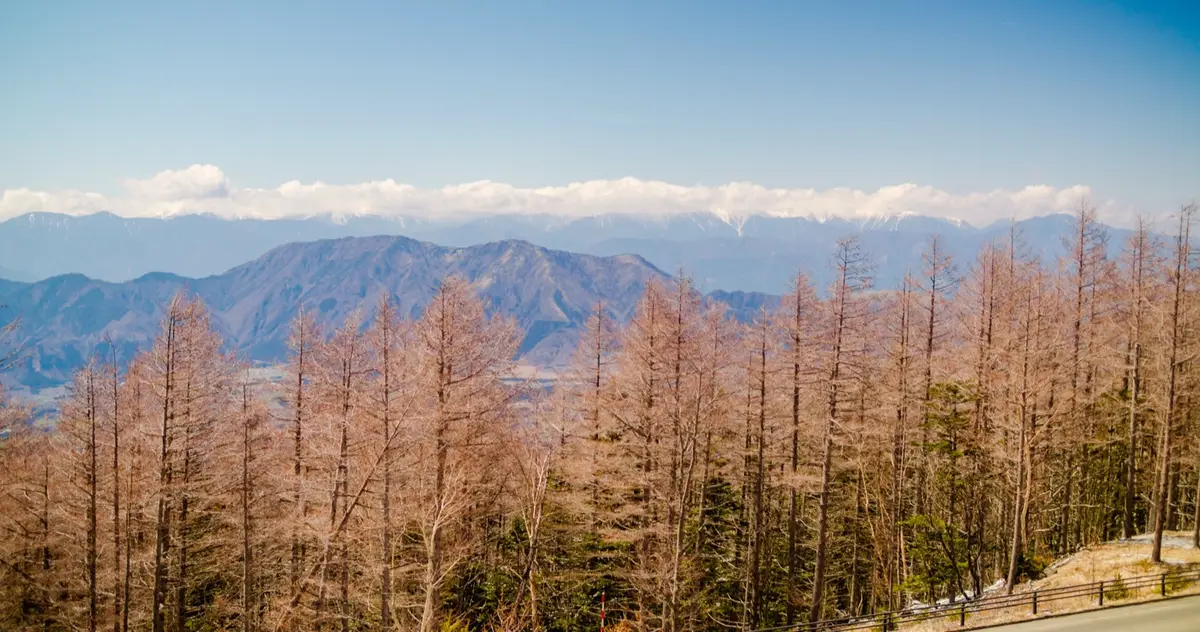
The Shinkansen looks and rides like a spaceship – quiet, fast, precise. At Lake Yamanaka we learned a harsh lesson: in Japan, without a booking, you overpay and don’t get to where you want to go. Verča eventually found us a car in two hours, but between the weather and the lack of a booking, we lost an entire day.
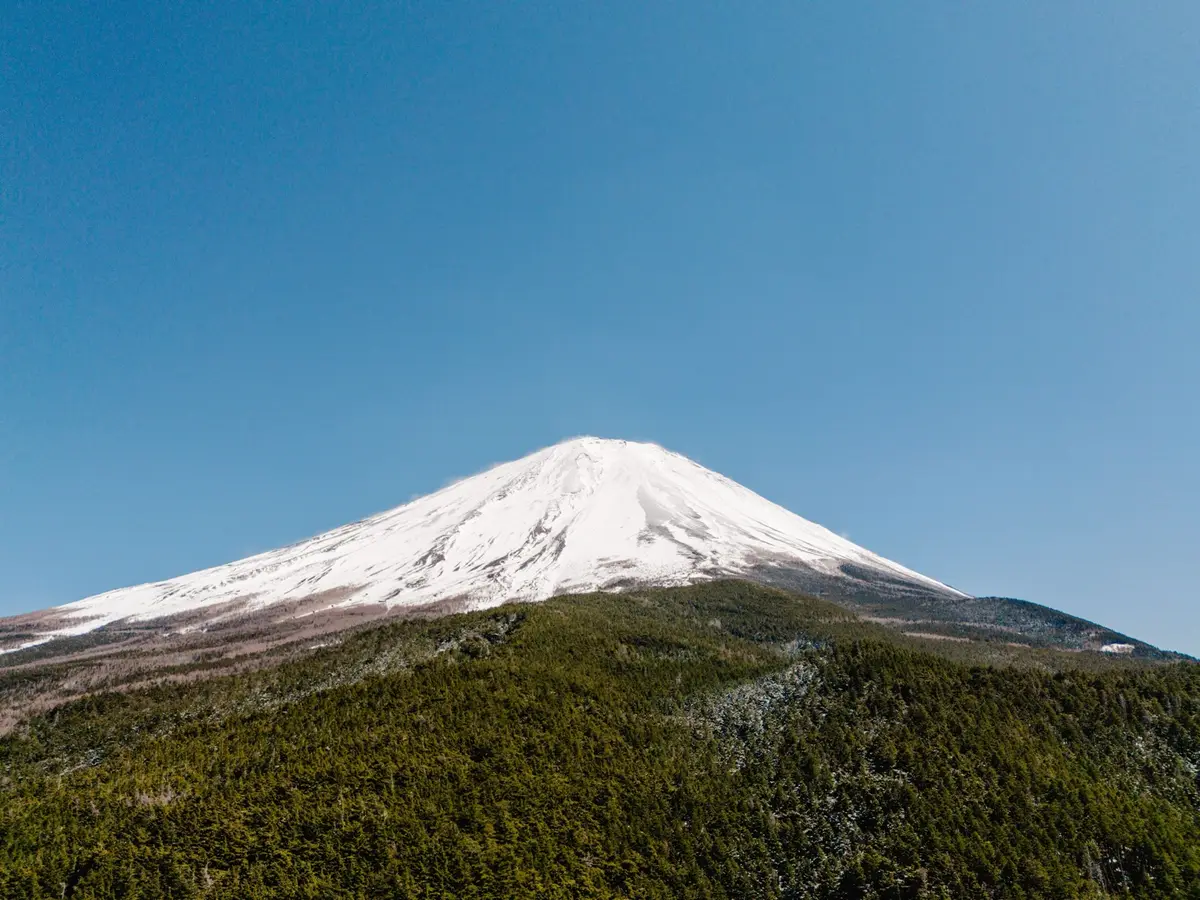
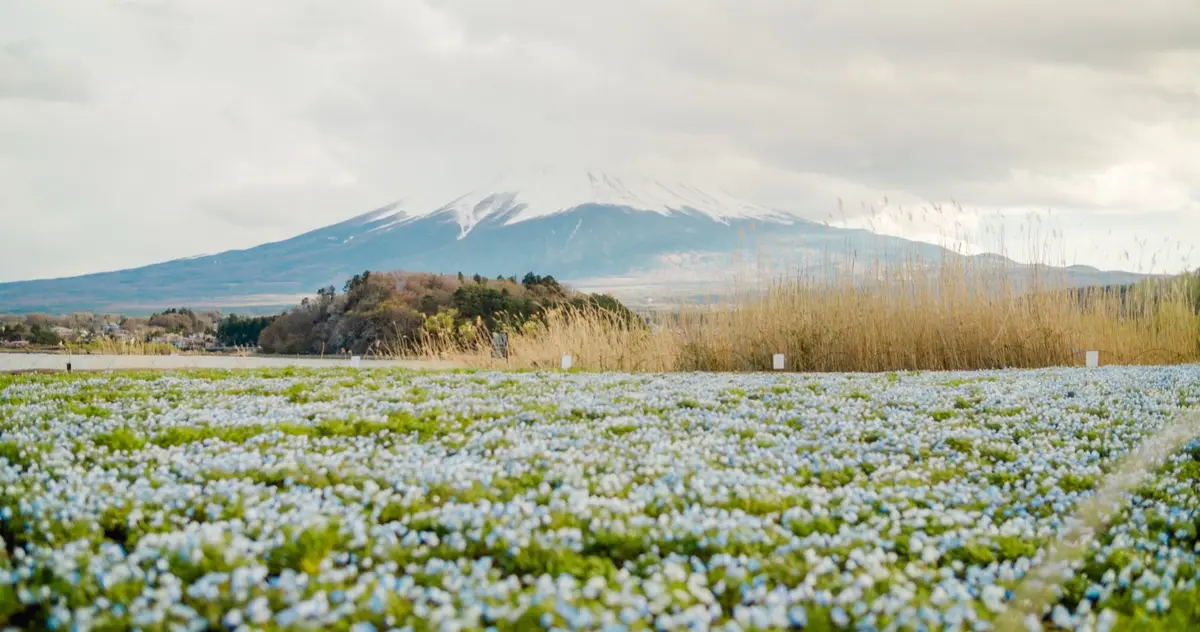
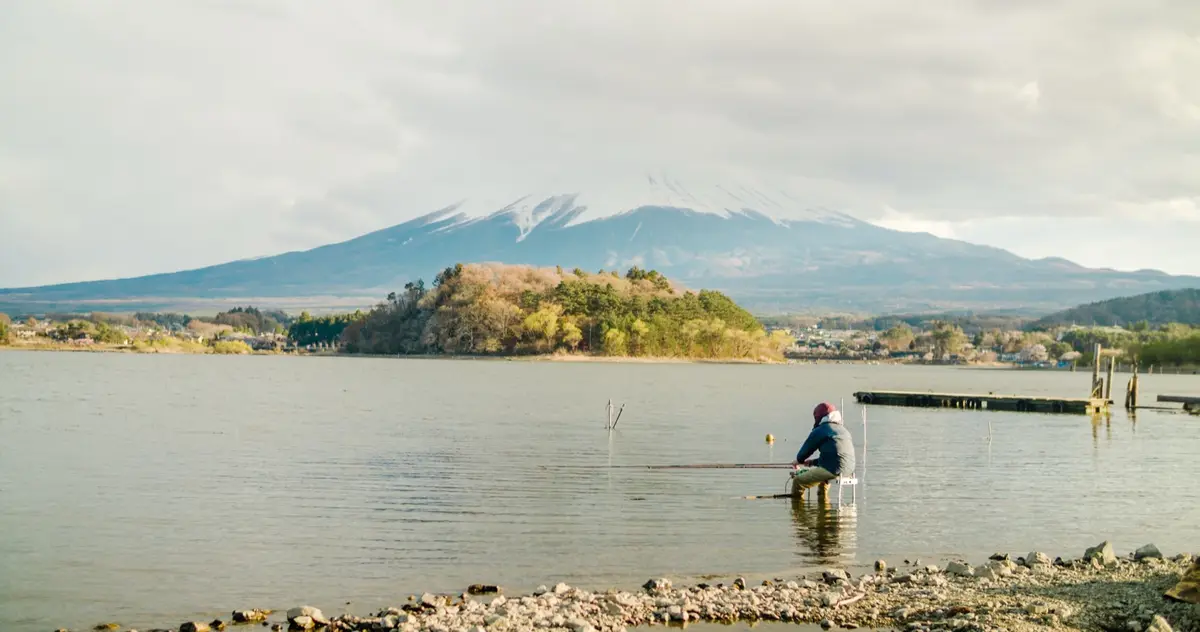
We couldn’t get up to Fuji 5th Station because of ice, so we improvised – the lake, fishing, photographing Fuji in the background without a single cloud. Sometimes plan B beats plan A.
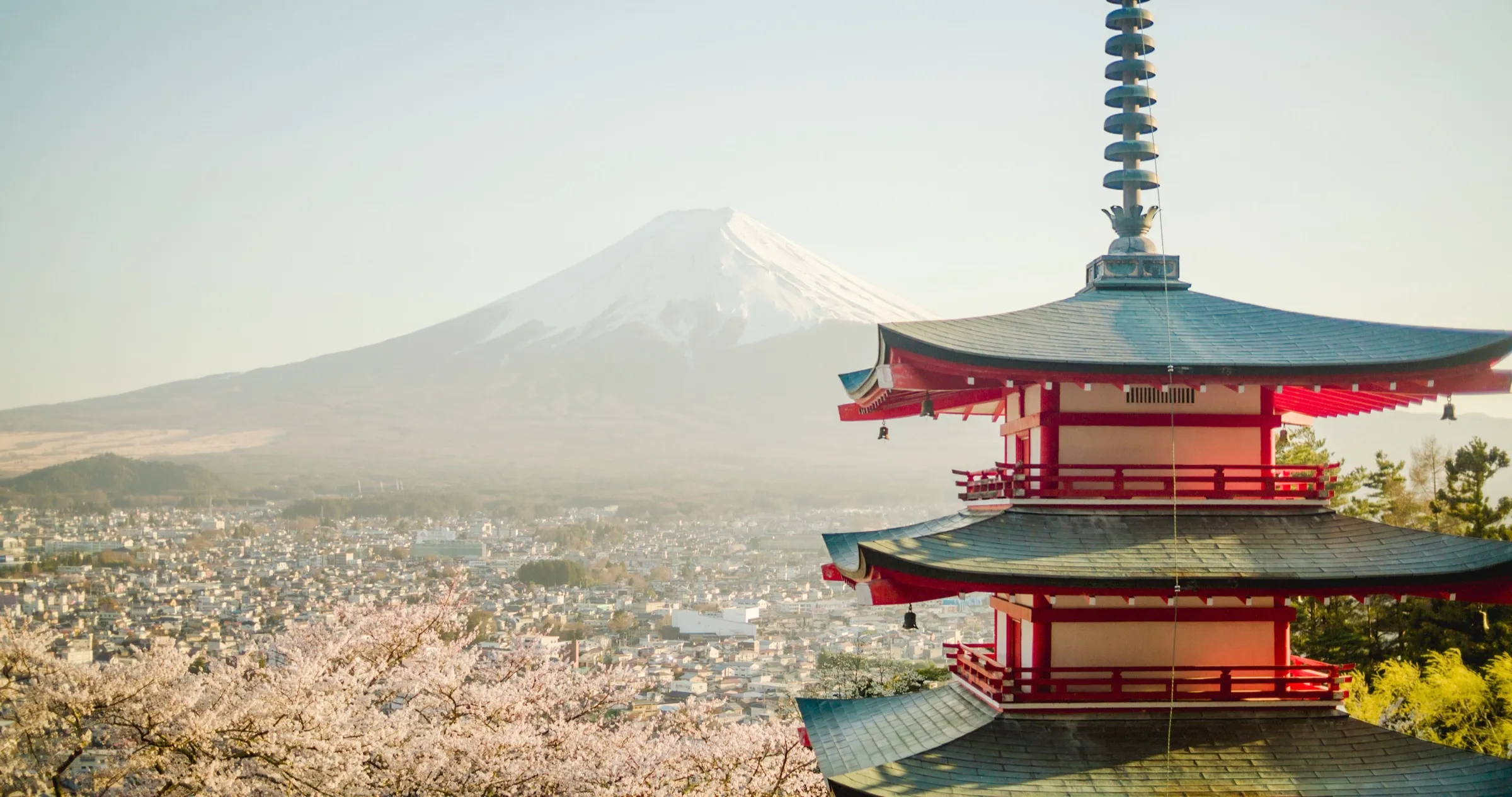
Photo Tomáš Vojíř
Days 15–19: Tokyo, lost in Shinjuku, and fishing in the bay
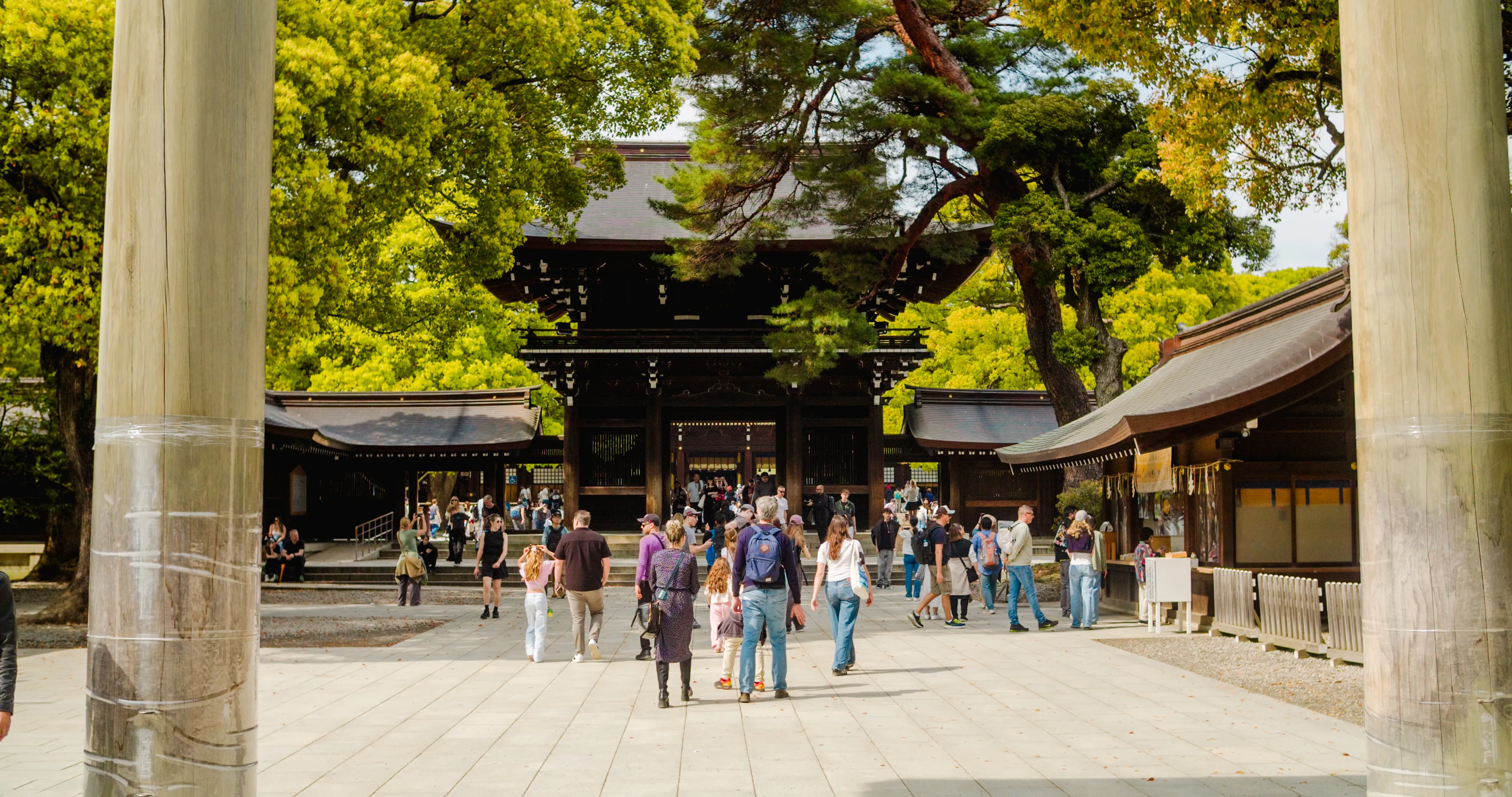
Photo Tomáš Vojíř
The Shinkansen into Tokyo surprised us every time – quieter and faster than we expected, and we could leave our suitcases in paid station lockers. In one of Tokyo’s biggest parks we just lay down and watched the planes – after the previous days, exactly what we needed.
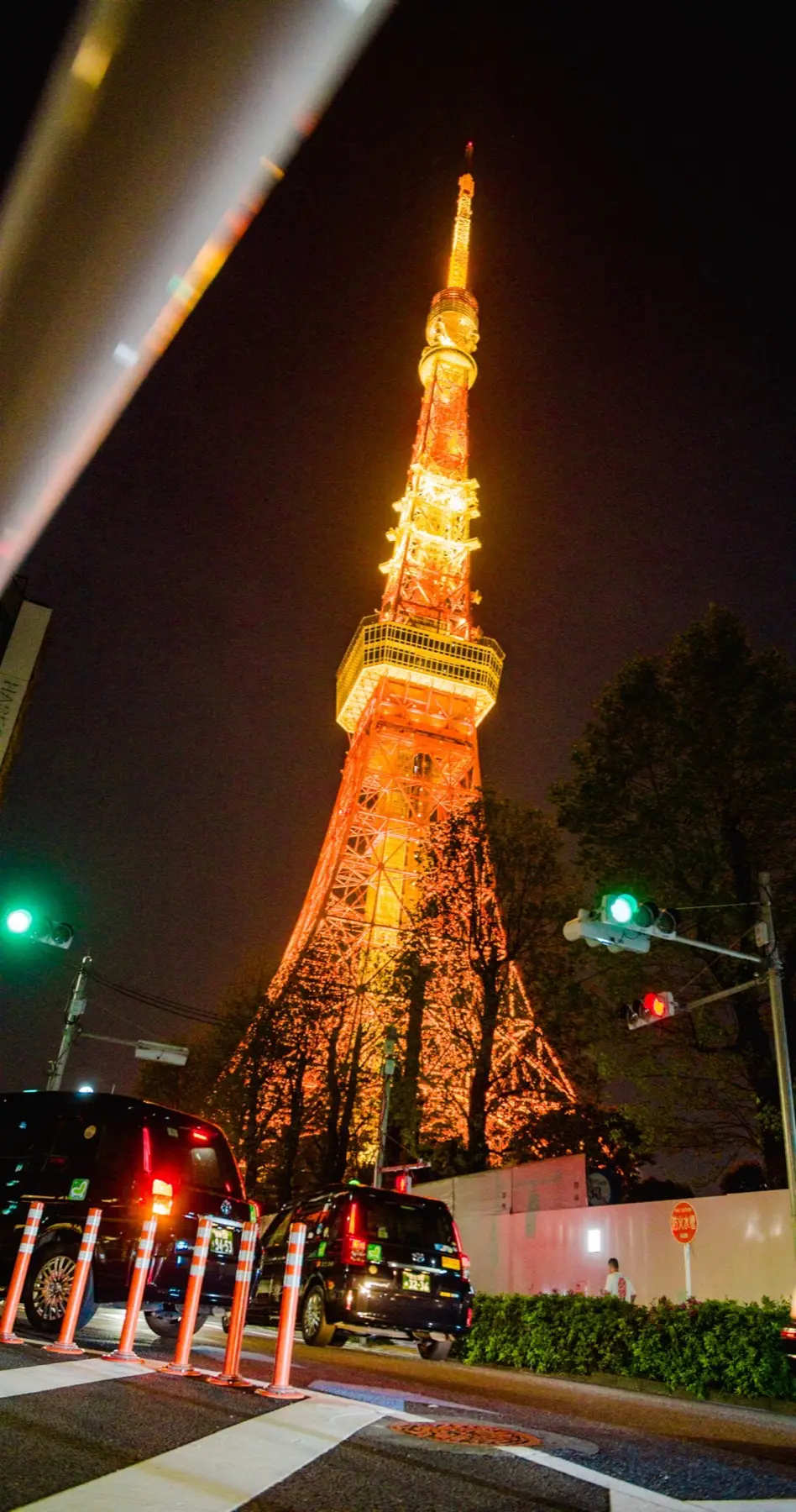
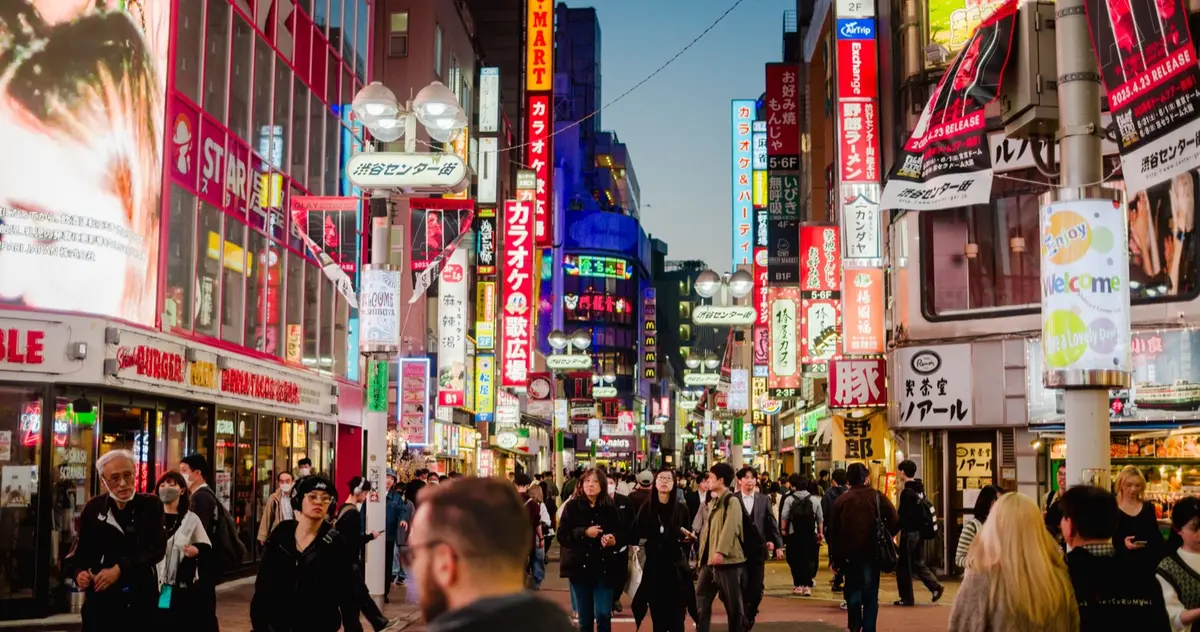
Tokyo itself, though, was wild – we’d never seen that many people in one place. We tried to cross Shinjuku, the busiest train station in the world, to the other side and got lost six times; even the locals we asked couldn’t help much through the language barrier. Just around the corner is Shibuya Crossing, the most famous intersection in the world – we preferred watching it from the safety of a Starbucks: at any given moment, 5,000 to 10,000 people can cross at once.
We picked our accommodation by price, not distance – a mistake. An hour and a half by metro from the center, a hostel full of loud guests, no en-suite bathroom, and the next day we found a cockroach on top of it. Next time we’ll happily pay 2,000–3,000 crowns more to stay closer to the center – the commute alone cost us half a day.
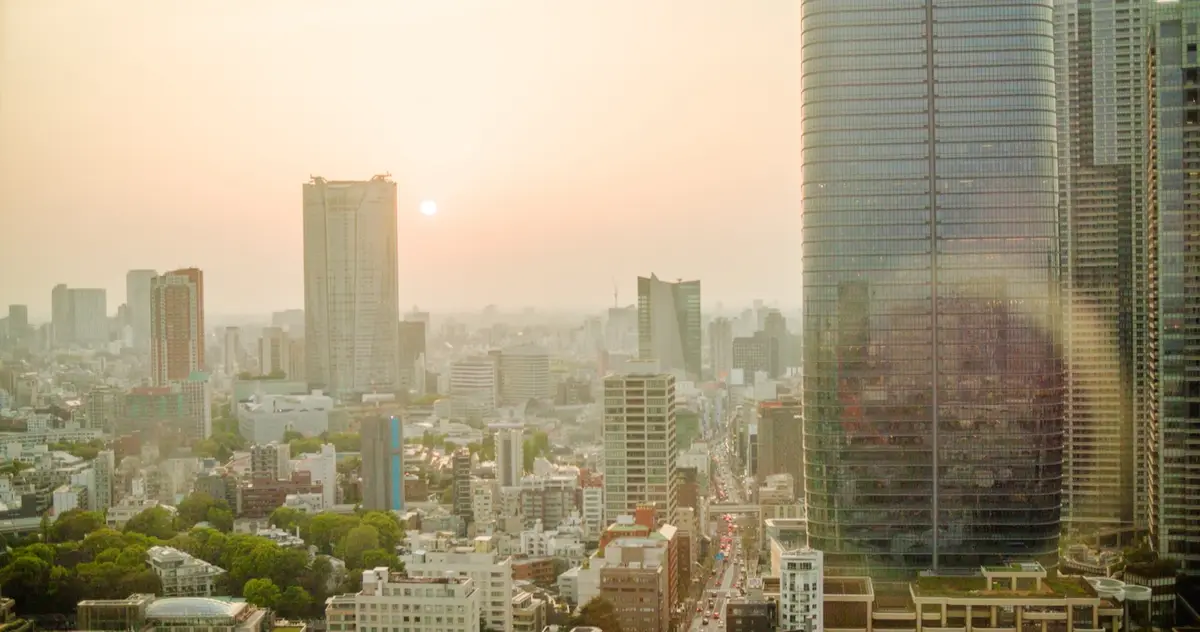
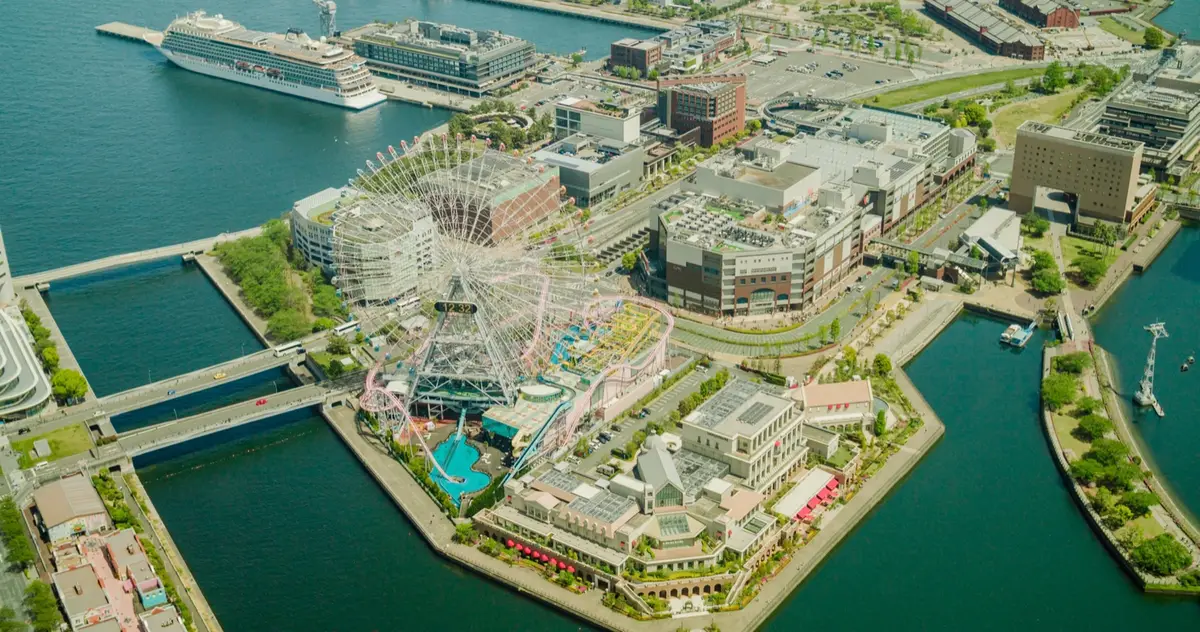
What was worth it: the observation deck of a skyscraper in Yokohama (entry around a hundred crowns, where we had coffee even though it wasn’t exactly warm outside and just watched the city for an hour), a huge mall with charging stations on every corner (wifi barely worked inside, but worked fine outside – so an eSIM really pays off), and one practical shopping tip: as a tourist you often don’t have to pay tax if you leave an item sealed and show it at departure – just ask in the shop.
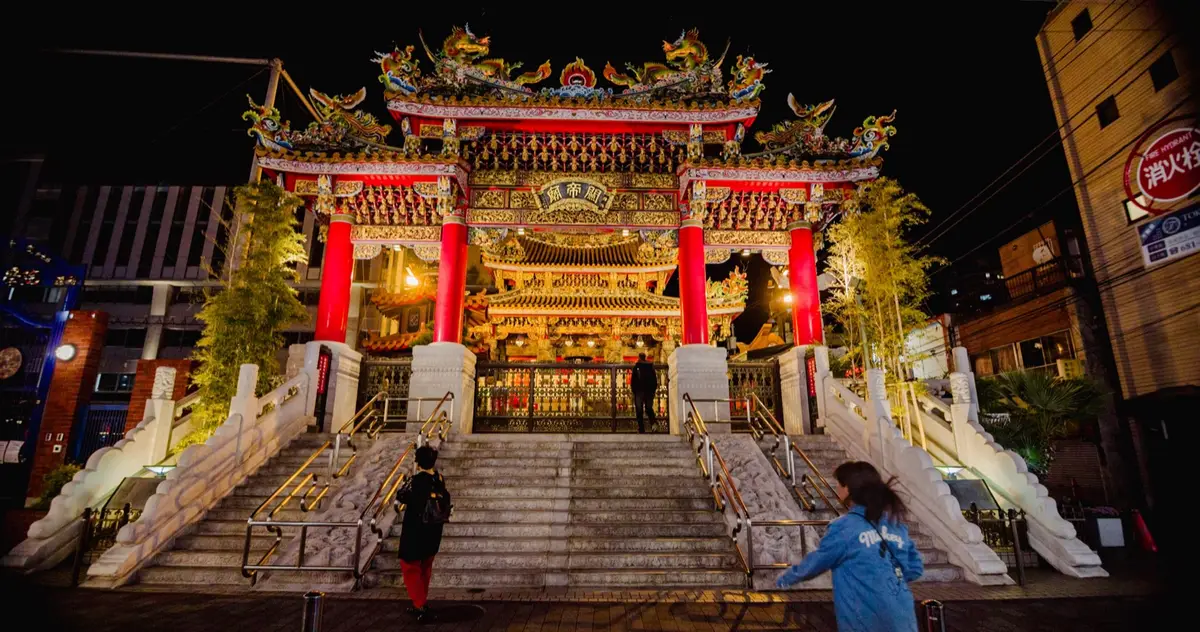
We split up for an activity too: I headed to the sea with a rod. At the tackle shop they recommended worms as bait, I waited two hours at the pier with four other anglers and caught nothing – but fishing in Japan itself was worth it, even without a catch. In the evening we risked a Chinese restaurant (we had some respect for that after Shenzhen) with a rotating table in the middle – the food was fine, but nothing that blew us away. We did walk through Chinese temples and markets in Yokohama afterward, which made the detour worth it on its own.
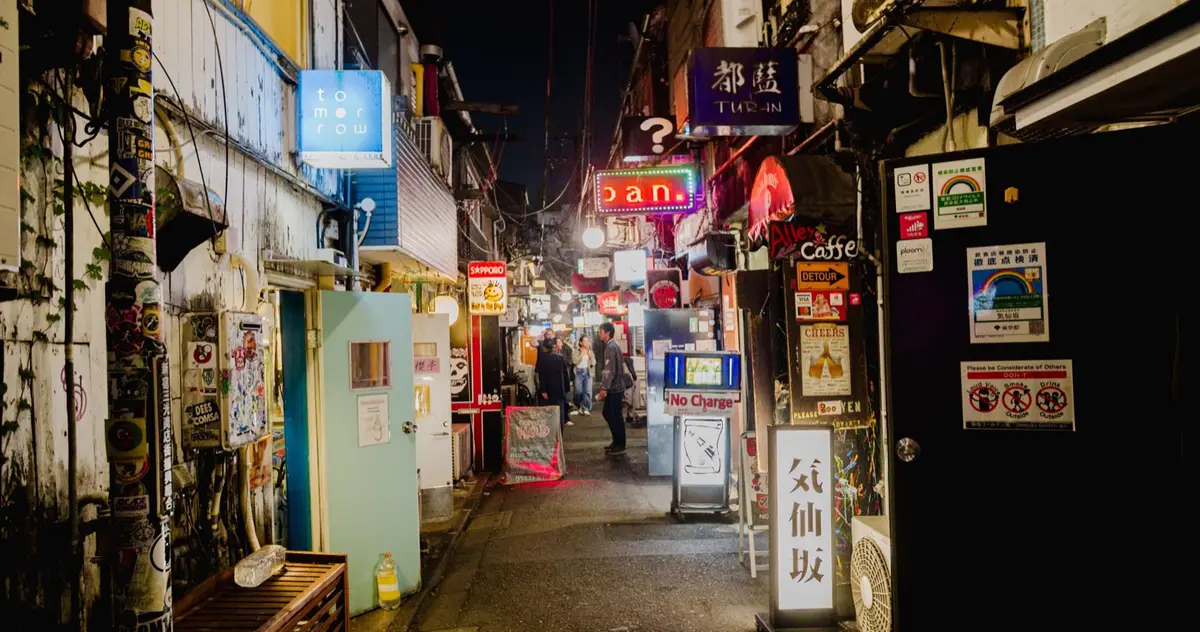
I also noticed the culture on the metro: people stand in an orderly line, board only after everyone’s gotten off, and even when they’re talking, they keep it quiet so they don’t disturb anyone. After one night in Tokyo’s bars, I was balancing on the metro, accidentally spun around and tore down a poster, which sort of hit the Japanese man next to me. He just rolled his eyes and probably thought: foreigners.
Days 20–23: Okinawa, a beach, a sunburn, and ramen I’ll go back for
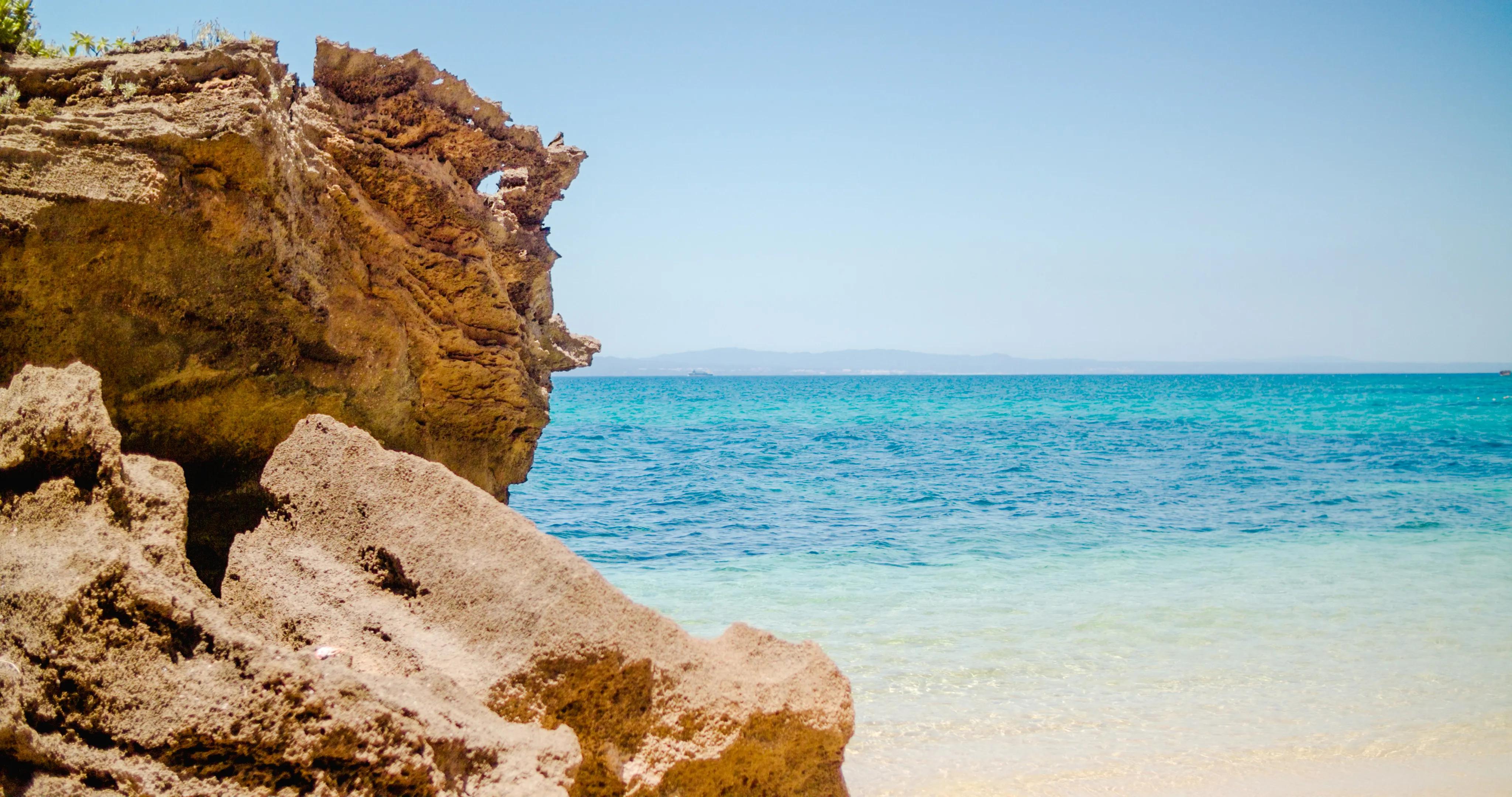
Photo Tomáš Vojíř
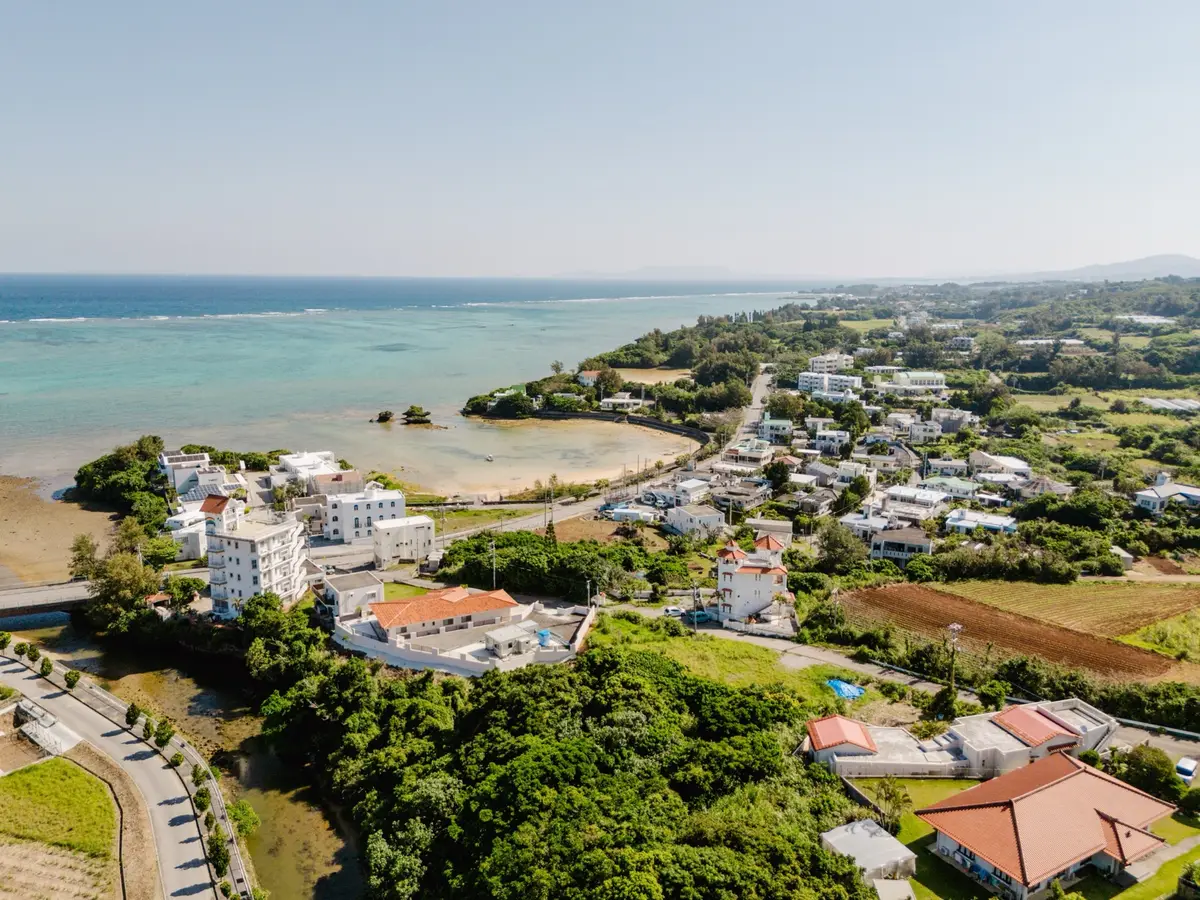
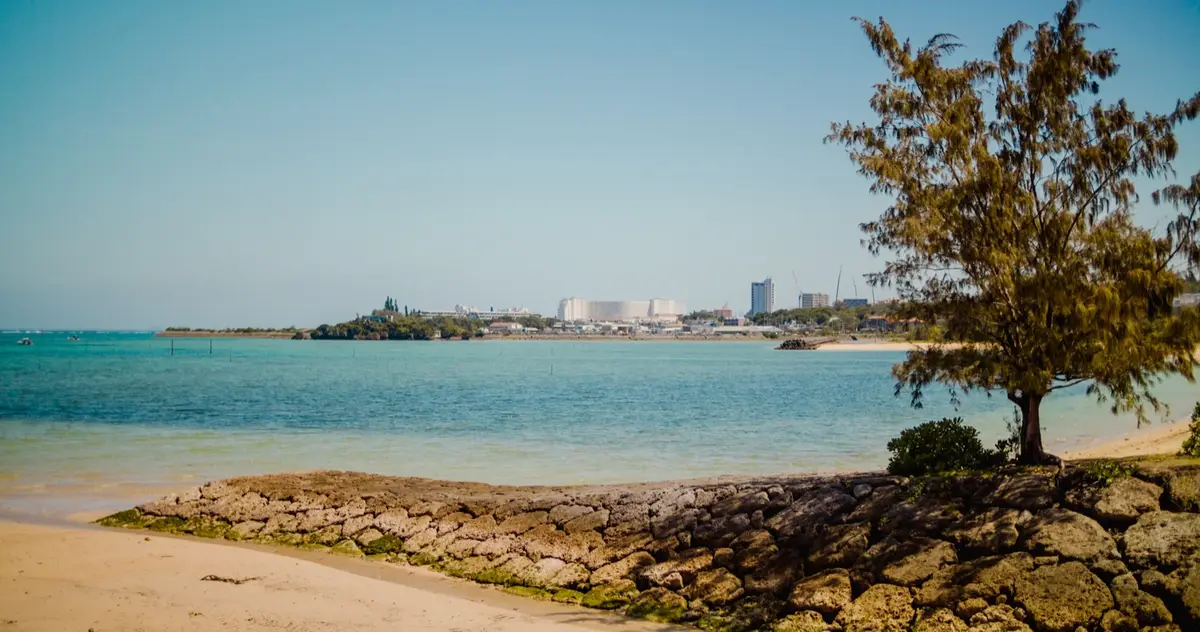
Near Fuji we found out a round-trip flight to Okinawa costs just a couple thousand crowns, so we took the chance. Okinawa is known as one of the world’s “Blue Zones,” where people live the longest – and that interested us more than almost anything else.
The weather wasn’t on our side – it rained two or three of our four days, and when it rained the signal dropped too, so working remotely was out of the question. We had to rent a car, same as near Fuji – nothing works without one there. For the next trip across Japan it’s clear: either a car, or a JR Rail Pass, which gets you on almost anything – train, bus, Shinkansen – without sorting out individual tickets.
The accommodation, on the other hand, was fantastic – a small hidden turret room with a big bed, pure joy. Once the weather cleared up, we headed to the beach (entry again around a hundred crowns) and made a classic tourist mistake: spray sunscreen needs to dry, not get rubbed in right away – so we ended up sunburned like lobsters, Luboš worst of all.
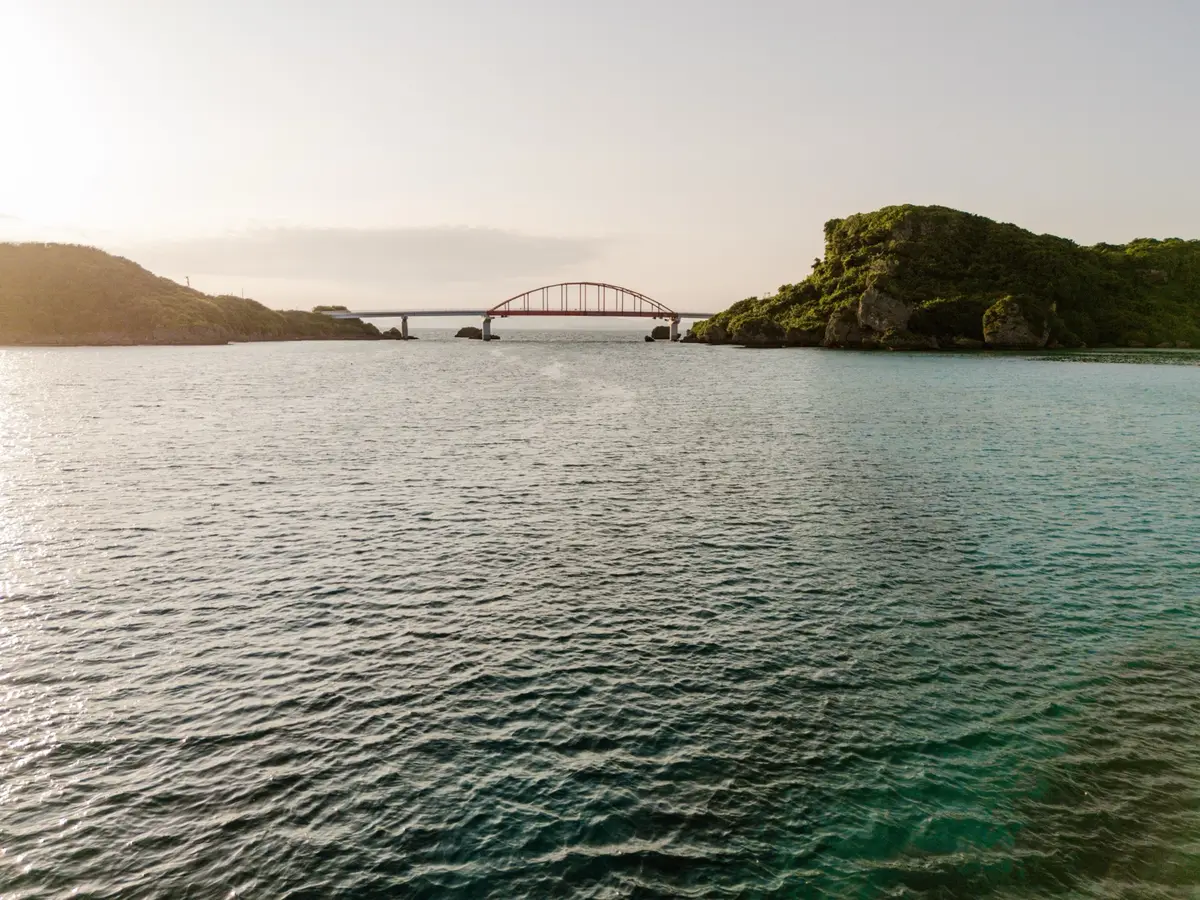
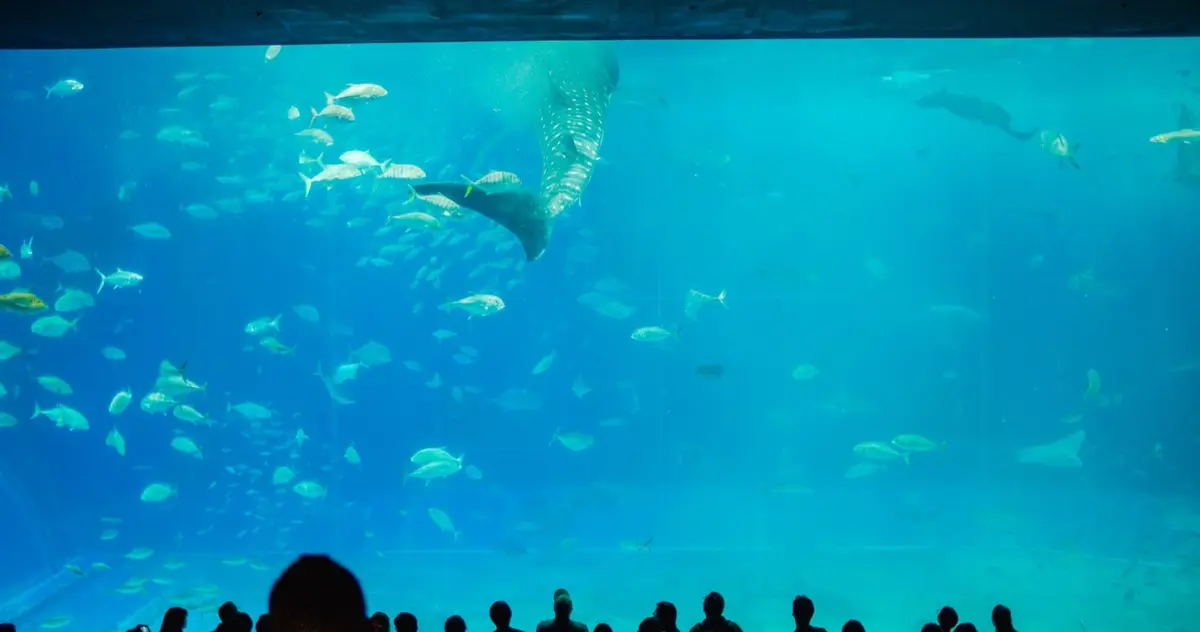
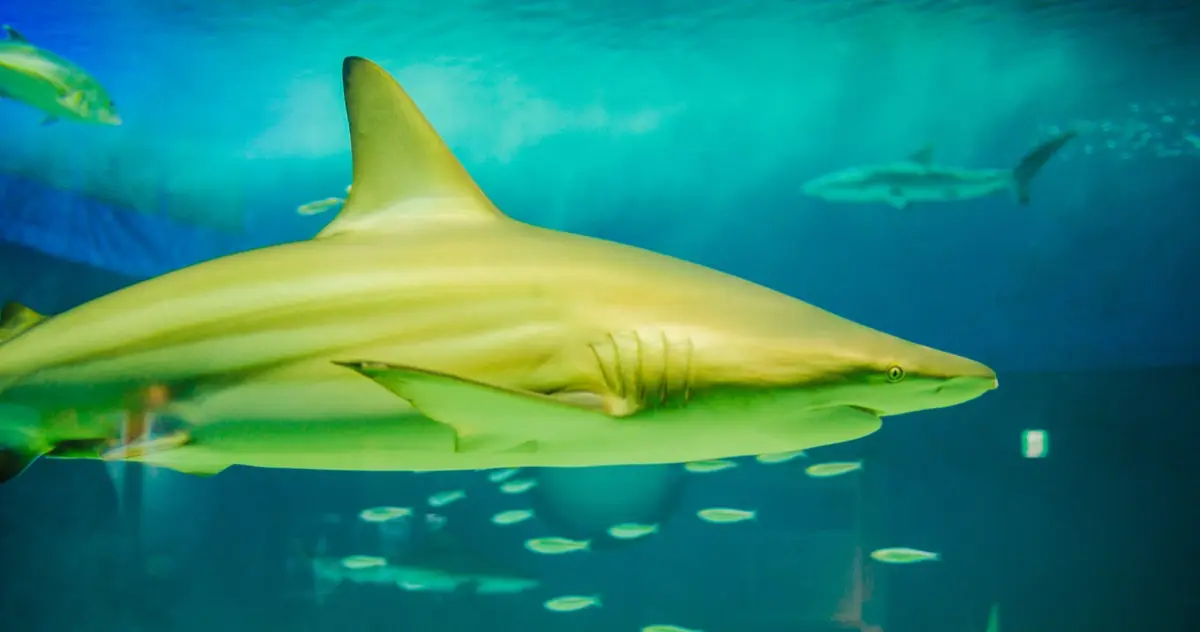
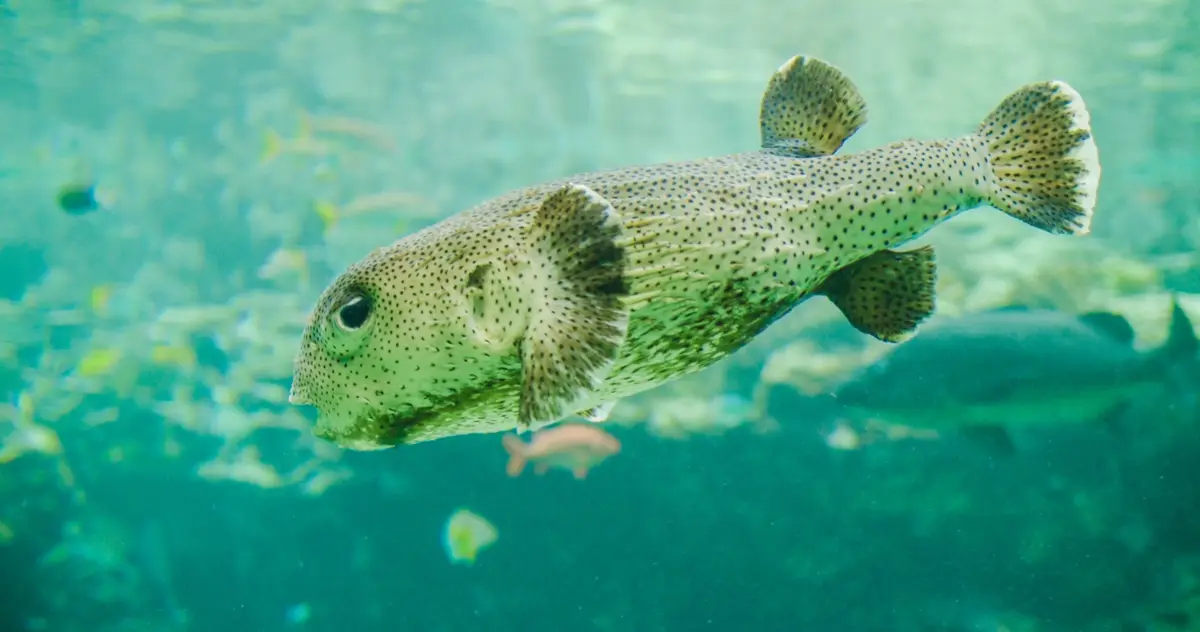
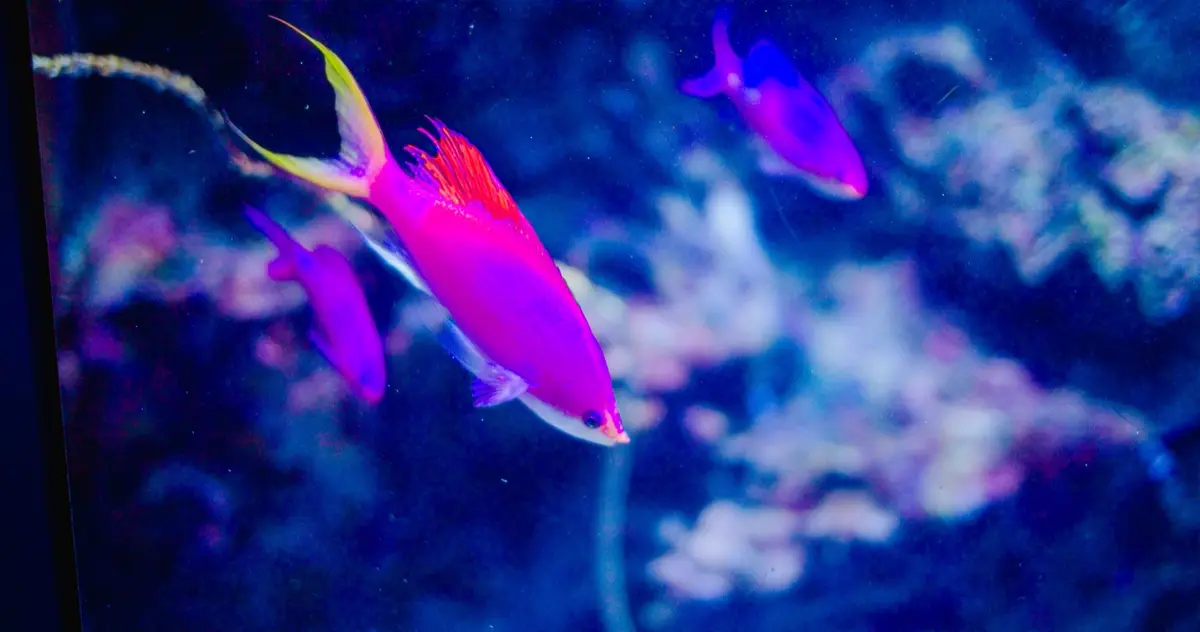
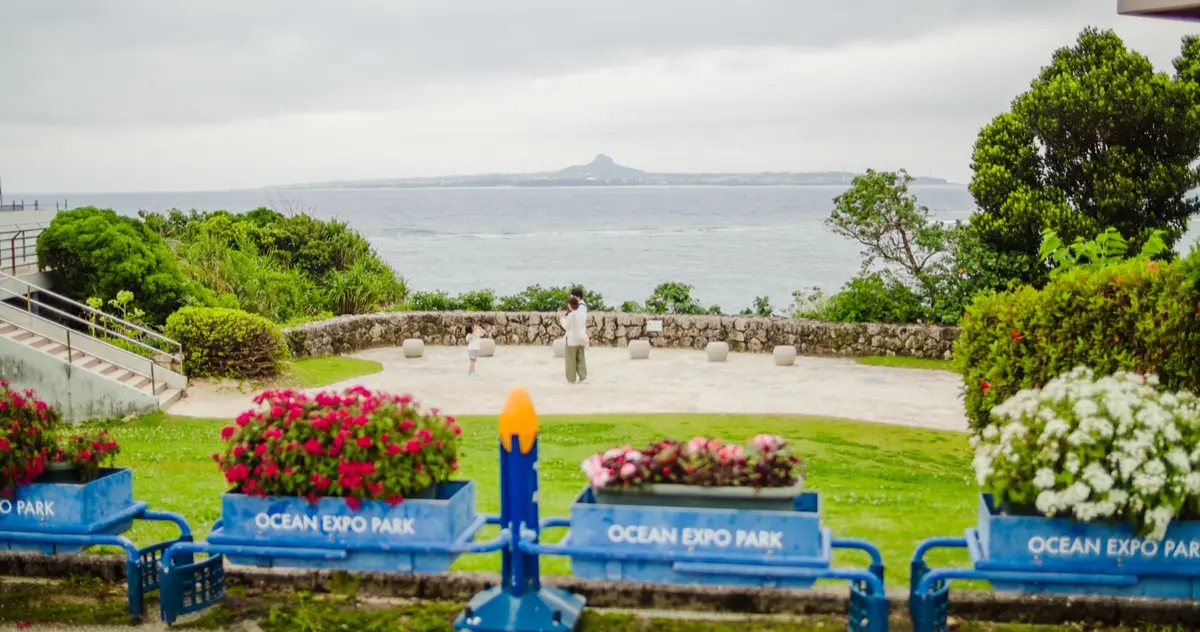
Fishing at a remote spot again, two hours, and again I caught nothing – I started to think fishing in Japan was cursed for me. I enjoyed it anyway. The next day we visited a huge aquarium with enormous fish, and even there we saw typical Japanese thoroughness: an older man stood in the park just pointing people where to go – a job nobody else would probably bother with elsewhere, but Japan tries to keep as many people employed as possible.
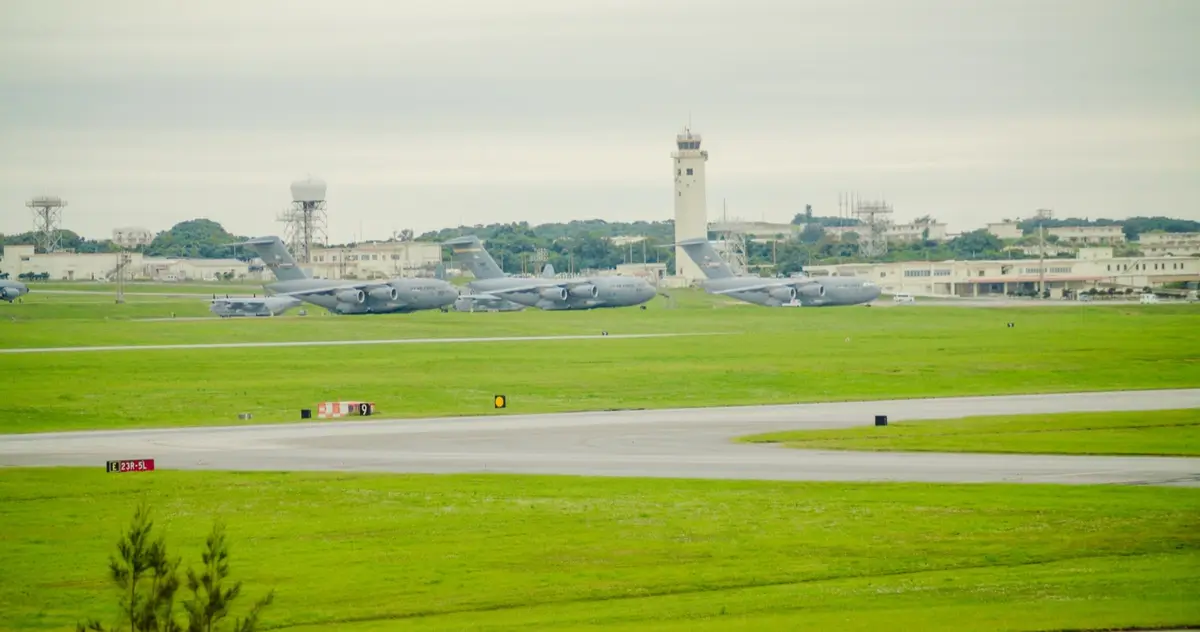
We also visited an “American village” – the movie plan fell through, so we went bowling instead, the same thing we’d done in Tokyo earlier, where we spent almost an entire day playing old arcade cabinet games. One thing topped it all, though: ramen simmered for 72 hours, which we found near our accommodation. The best meal of the whole trip – and a reason to go back to Okinawa, even if just for that one bowl.
Days 24–27: back to Osaka and home, Shenzhen round two
We flew back from Okinawa to Osaka at night and made it with seconds to spare – we ran through the whole airport with our luggage, and luckily they held the metro doors for us, so we still made the last connection into the city.
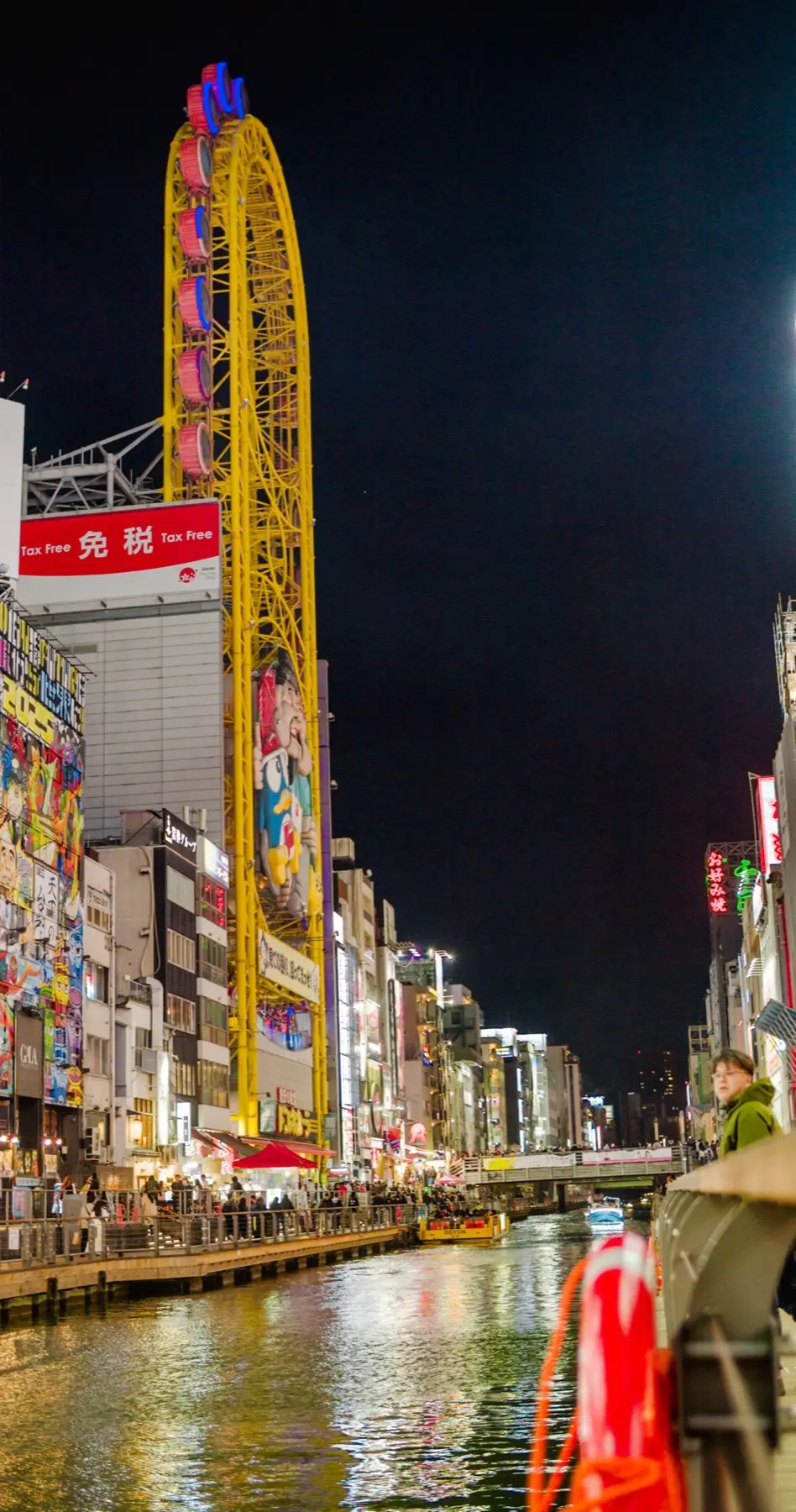
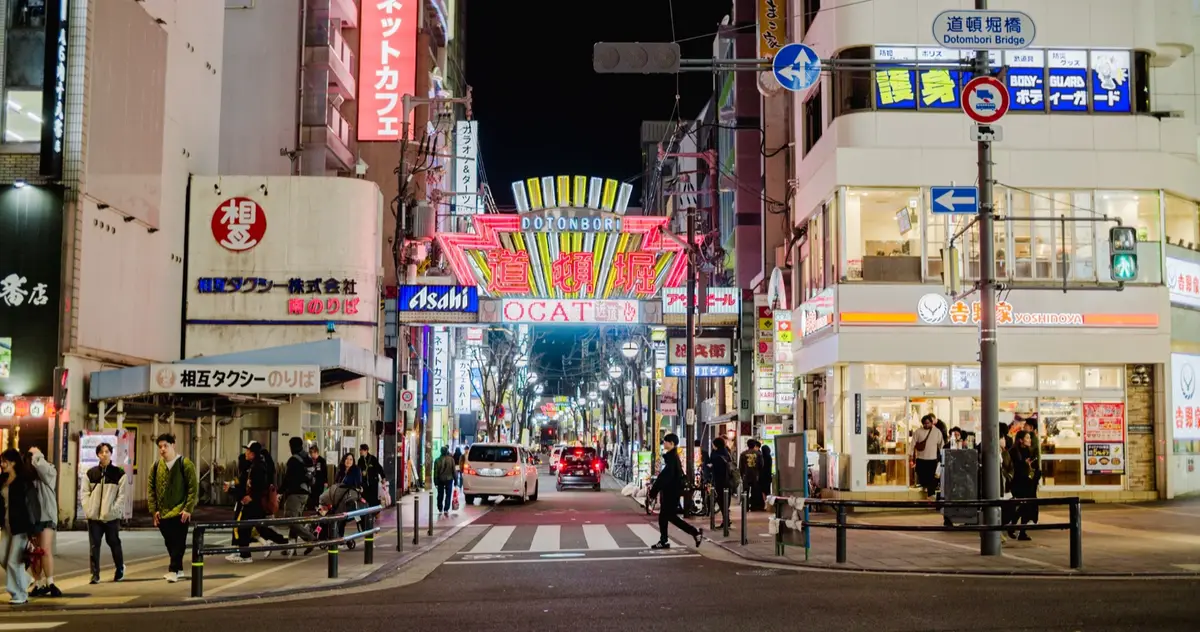
Osaka ended up being our favorite city of the whole trip – we said that if we ever moved to Japan, we’d pick Osaka in a heartbeat, it’s like a second Brno to us. We spent the last few days taking it easy: by coincidence my girlfriend was there at the same time, so we met up in Kyoto, walked similar routes to the ones at the start of the trip, and met her friends there too. On the last day we just walked around Osaka and bought souvenirs.
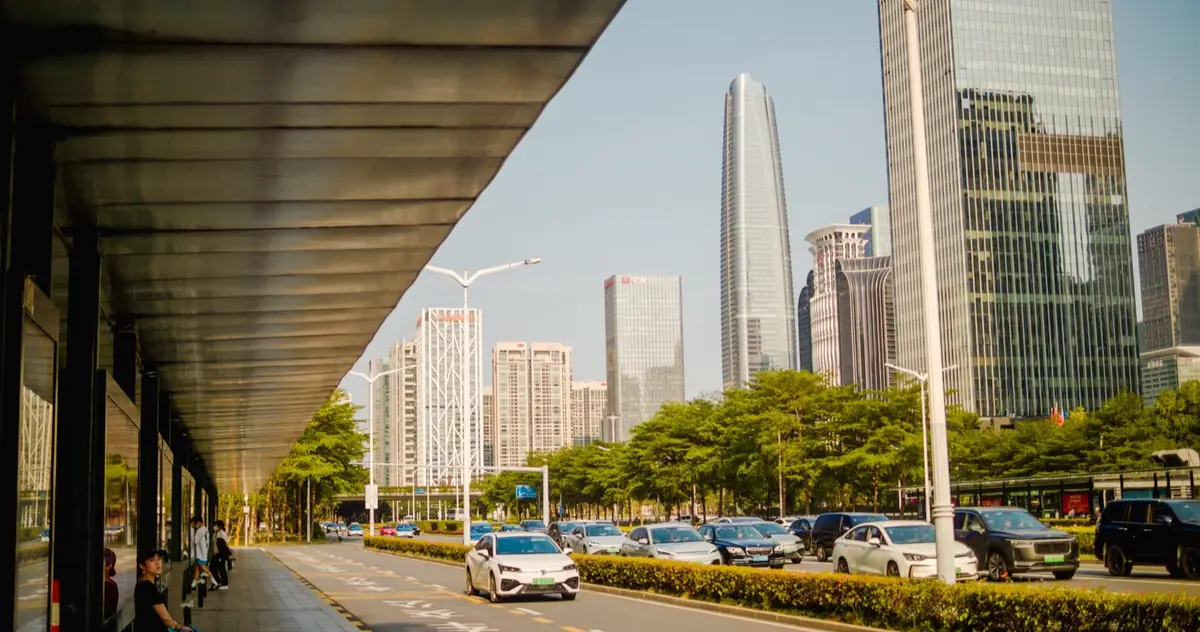
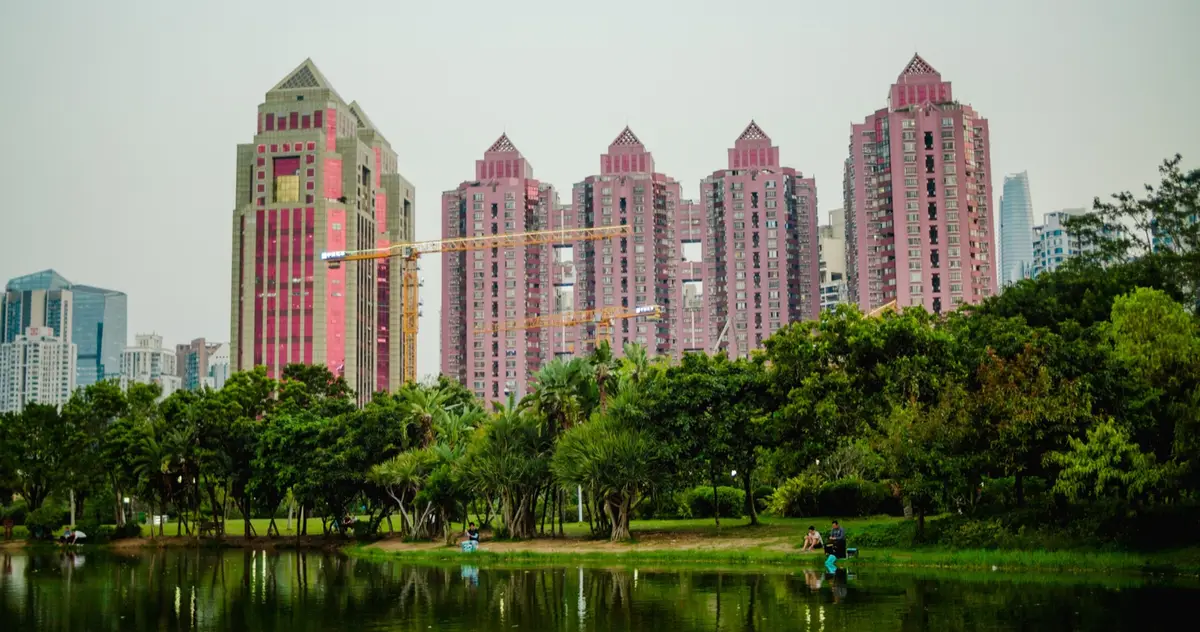
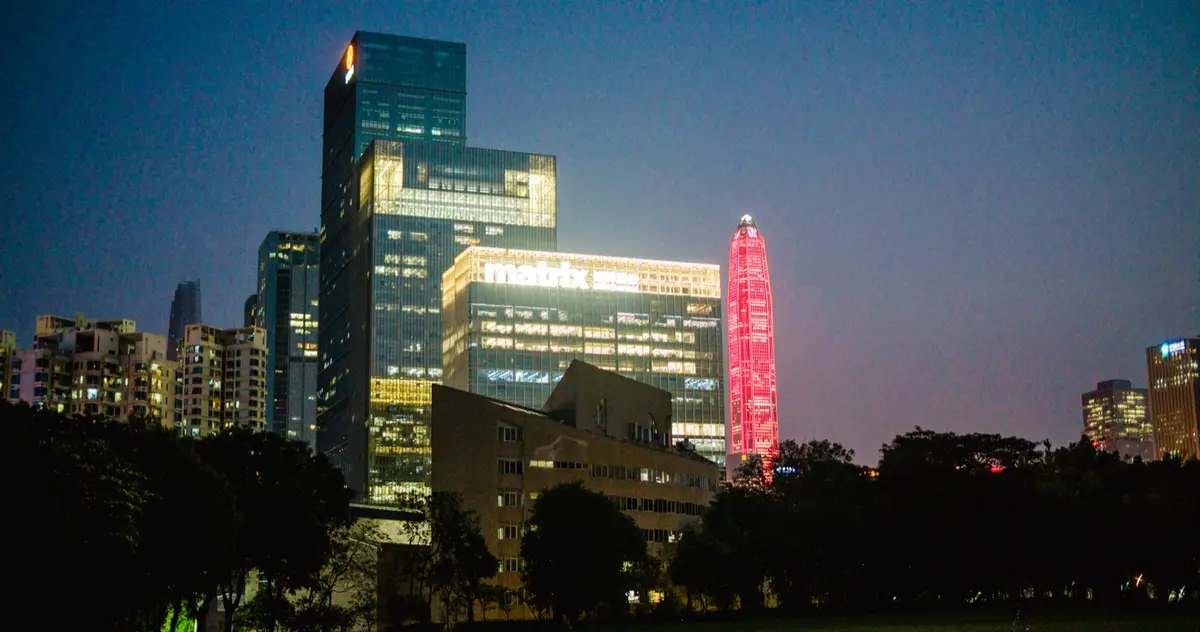
The trip home went through Shenzhen again – and even though we thought we knew what to expect, they stopped us at the border again, saying we needed proof of departure from the airline, even though we technically had it in our ticket. After an hour of persuading at the airport, the manager called Shenzhen directly and came back with a paper – a transit form that, as it turned out, almost any Czech who landed there could get, letting them enjoy an extra day in the city. Shenzhen itself surprised us – a modern, hard-working city that also happens to be the home of DJI drone manufacturing. Finding a hotel there was a mess again, though – two hotels flat-out lied to us about not having vacancies, until after twenty minutes of persuading a room suddenly “appeared.”
We flew home with Air China, which flies over Russia, so the route home ended up quite a bit shorter than the way there.
What I tested on camera
This trip was also a test of my gear and shooting style, so here are a few notes for anyone dealing with the same questions:
- Temples and castles: a wide-angle 11–20 mm, slow gimbal movement, 50–60 fps for cutaway details (hands, incense, footsteps on stone) – it turns ordinary B-roll into something more cinematic.
- Suzuka, the race: 120 fps for details (brake dust, sparks), 24 fps for wider grandstand shots. Add low-frequency rumble and EQ to the sound – it gives the sense of engine pressure that the image alone can’t deliver.
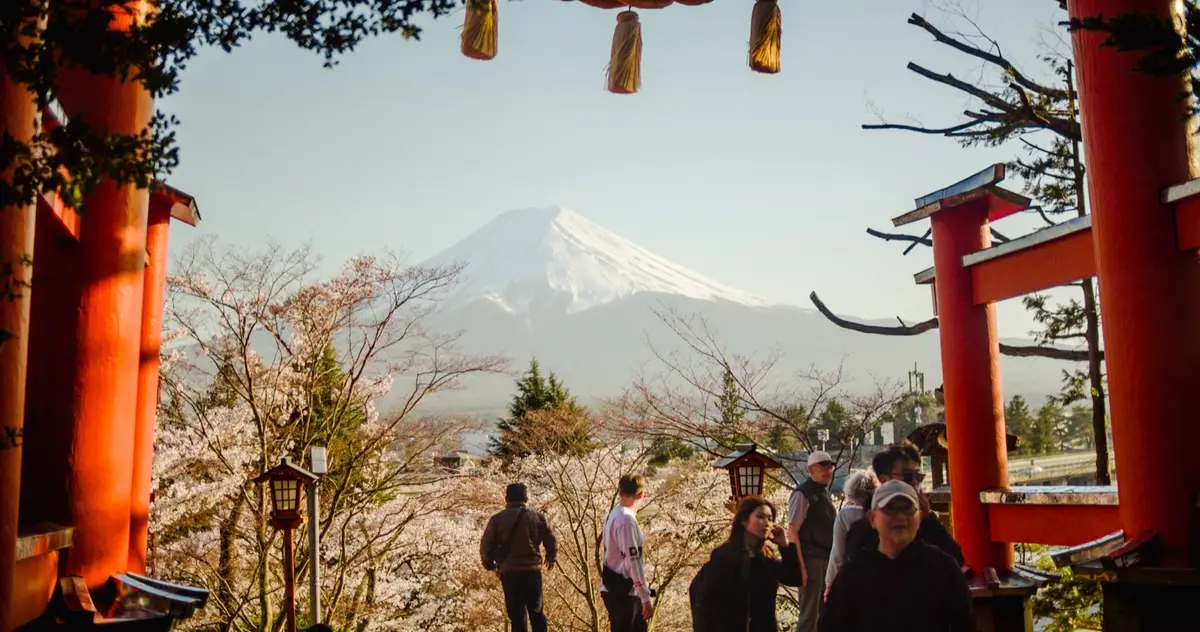
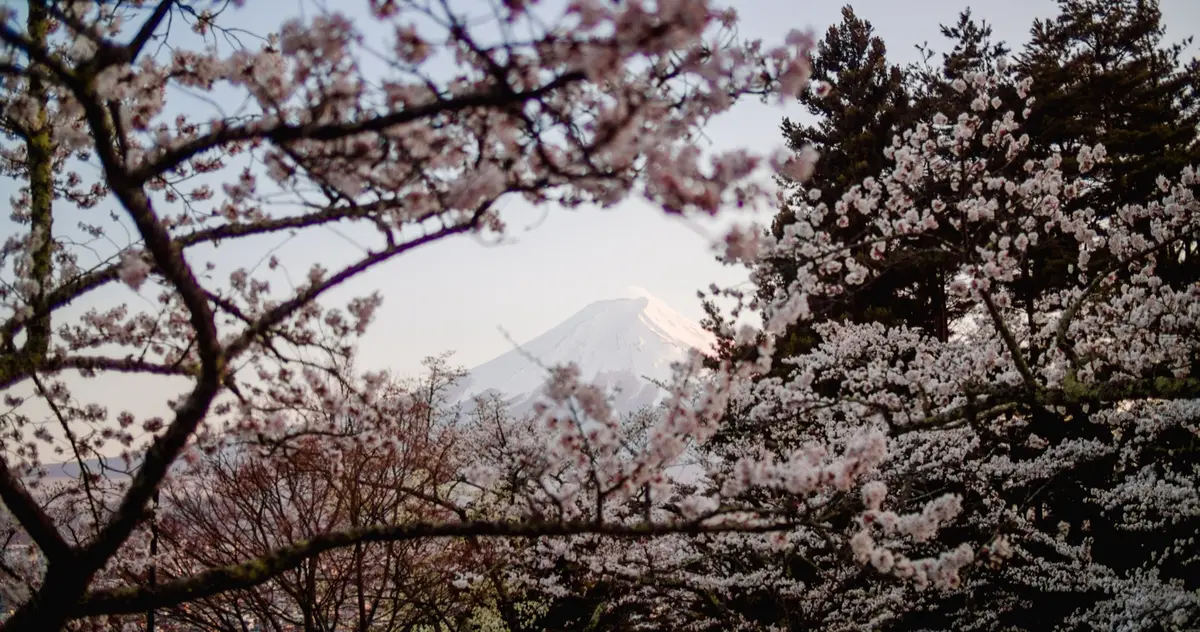
- Chureito Pagoda / Fuji: a long 85–130 mm lens, light haze added in post, sound design built on wind and rustling (even off cherry-blossom season).
- Micro B-roll that creates a “cinematic feel”: hands, a backpack zipper, a map, a ticket, raindrops on a train window. Nothing on its own, but together they build atmosphere.
The filter that fell between the tracks in Kyoto I luckily managed to save, but if I hadn’t, I’d have been scrambling for a replacement on the spot – something like the Rollei F:X Pro UV 72 mm from Alza, with an MRC/Nano coating and 98% transmission for a reasonable price, so there’s no reason to travel without front-element protection even on a short trip.
I’d also add the NiSi Filter ND-Vario 1-5 Stops True Color 72mm to the kit – a variable ND with the same thread, so it fits the same lens as the UV filter above. It’s a higher price bracket, but the NiSi True Color line genuinely keeps colors accurate even at full strength, which cheaper variable NDs often lack, and you notice it immediately in shots against the sun.
Practical tips to wrap up
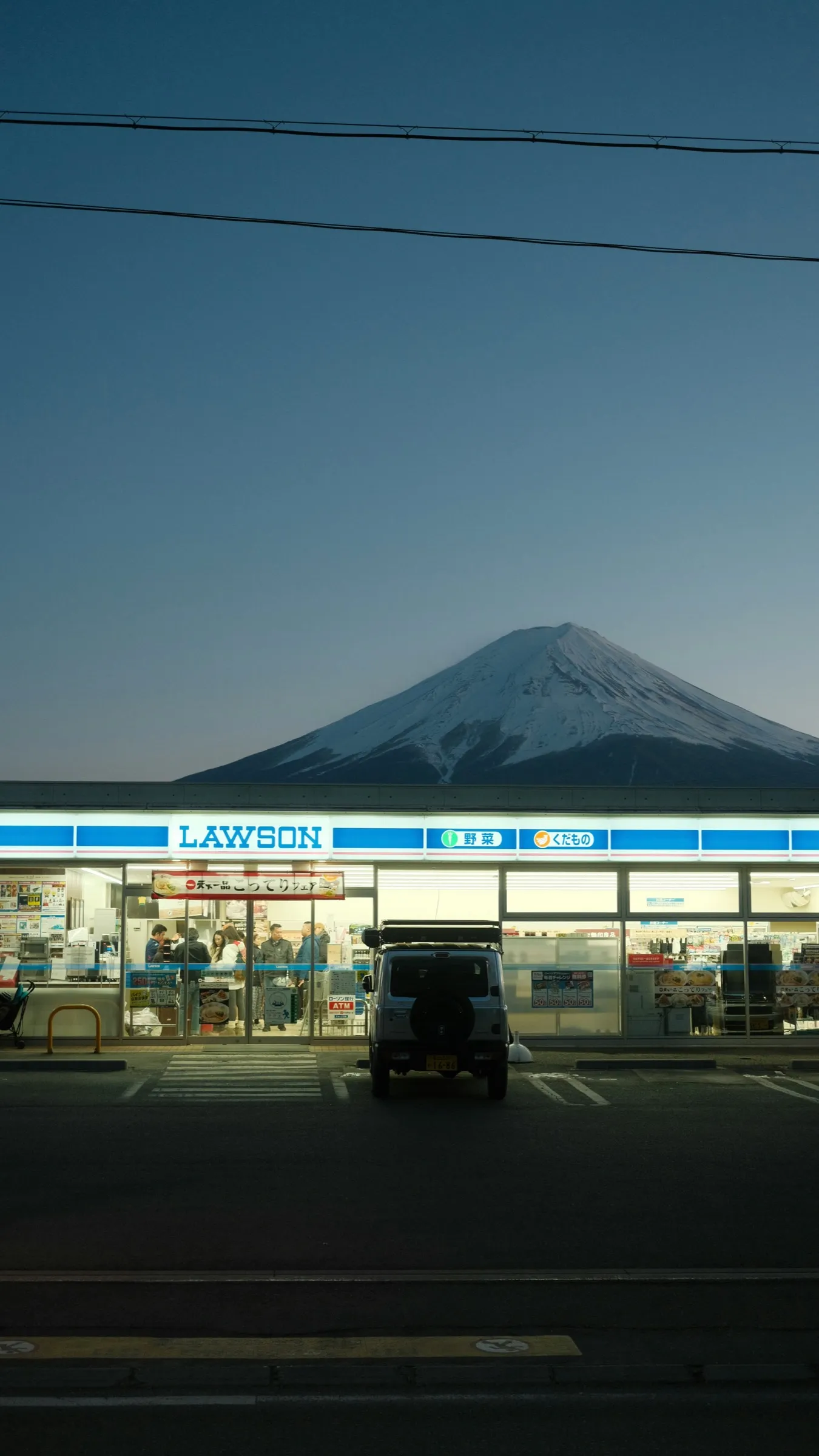
Photo Hendrik Schuette / Unsplash
- Cash + an IC card (Suica/ICOCA/PASMO): a combo that unlocks transit, lockers, and vending machines. Without cash, I once got into trouble on a local line.
- An eSIM in advance (Airalo), so you’re not hunting for wifi.
- Book accommodation and key transfers ahead of time – especially Fuji, Kyoto, and Tokyo. For activities and tickets (Suzuka and similar), set up a booking through Klook in advance.
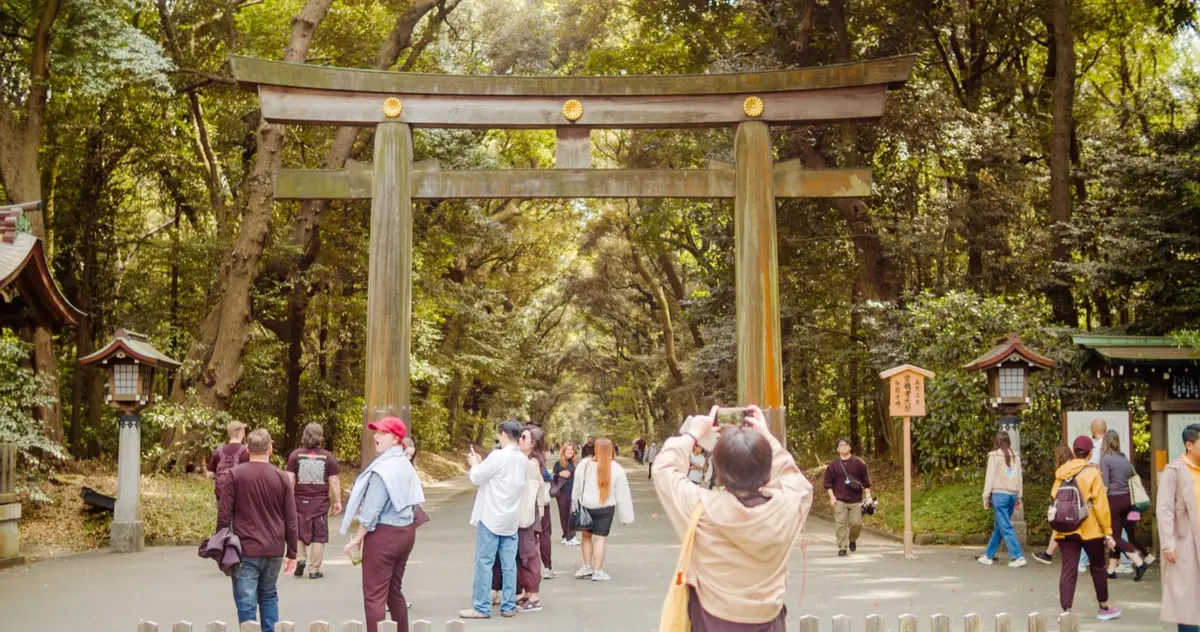
- Quiet and respect on public transport and in temples, no eating while walking, and carry your trash with you (trash cans are surprisingly rare).
- Onsen etiquette: shower before entering, no swimsuits, keep your towel out of the water.
- A car, or a JR Rail Pass – for trips outside the big cities (Okinawa, the Fuji area) you won’t get far without one of the two. A Rail Pass gets you on almost anything – train, bus, Shinkansen – without sorting out individual tickets.
- Let spray sunscreen dry before you rub it in – otherwise you’ll end up sunburned like a lobster, like we did on Okinawa.
- A plug adapter – Japan uses a different outlet type (A/B, flat prongs, 100V) than home, so without an adapter you can’t even charge your phone. The SKROSS World Adapter Pro+ is universal and has a USB output too, so you can charge your phone and batteries at once, or go for a cheaper plain adapter like the AlzaPower GlobePlug TA100.
- Family Mart / 7-Eleven is your best friend – onigiri, coffee, an ATM, hot snacks.
- Luggage storage – if you have a few free hours before your flight and don’t want to drag a suitcase around the city, Radical Storage finds storage near almost every station in Tokyo.
- Travel insurance for your gear – with a camera and a drone in your bag, it’s worth having this sorted in advance; compare options through EKTA.
- Want to know what a similar trip would cost you? Try the travel calculator – enter the country, number of days, and your flight/accommodation/food level, and get an estimate.
- Travel gear: a camera backpack with an organizer, a UV filter, and a variable ND filter for the camera.
Our route · duben 2025
- 01Ósaka5 nightsTennódži, 2 dny F1 v Suzuce
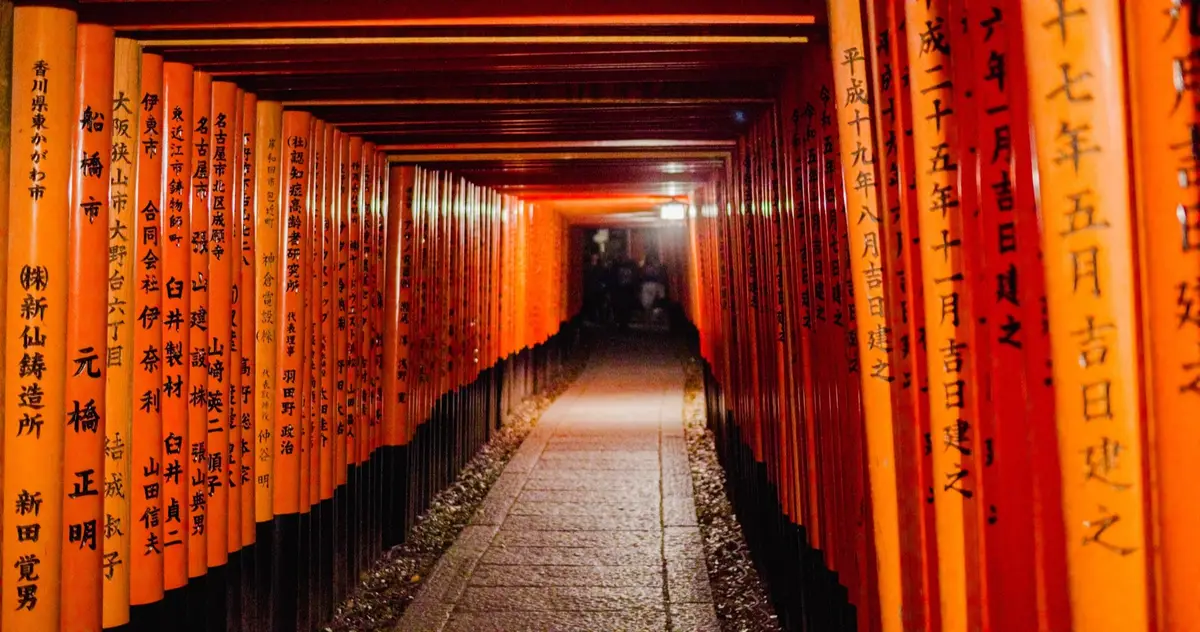
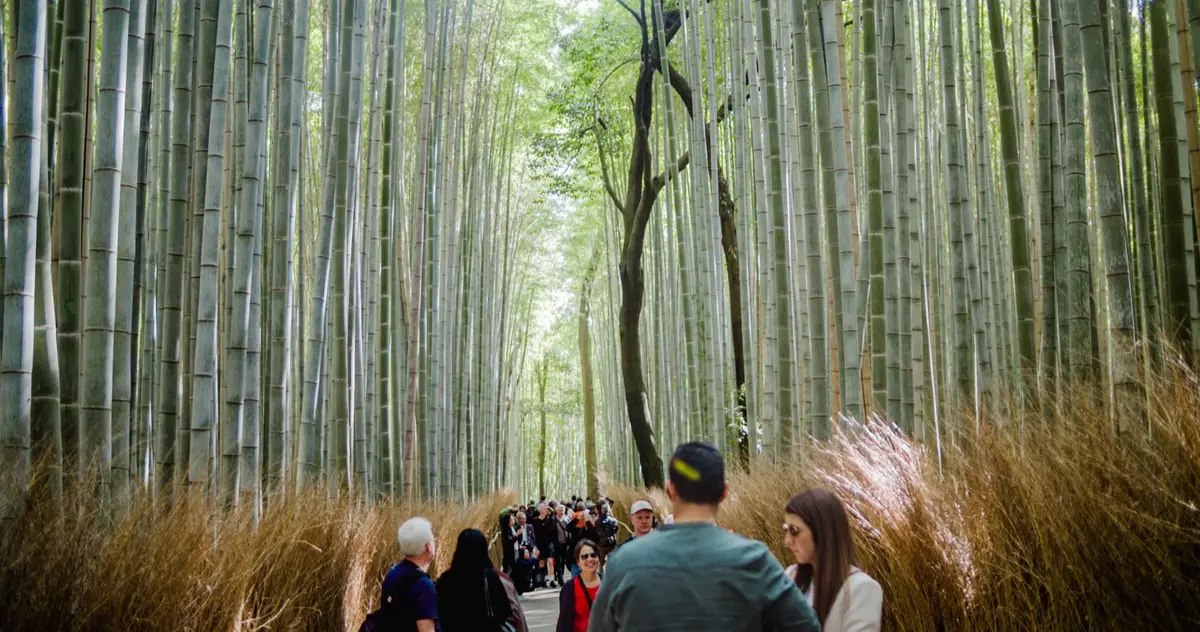
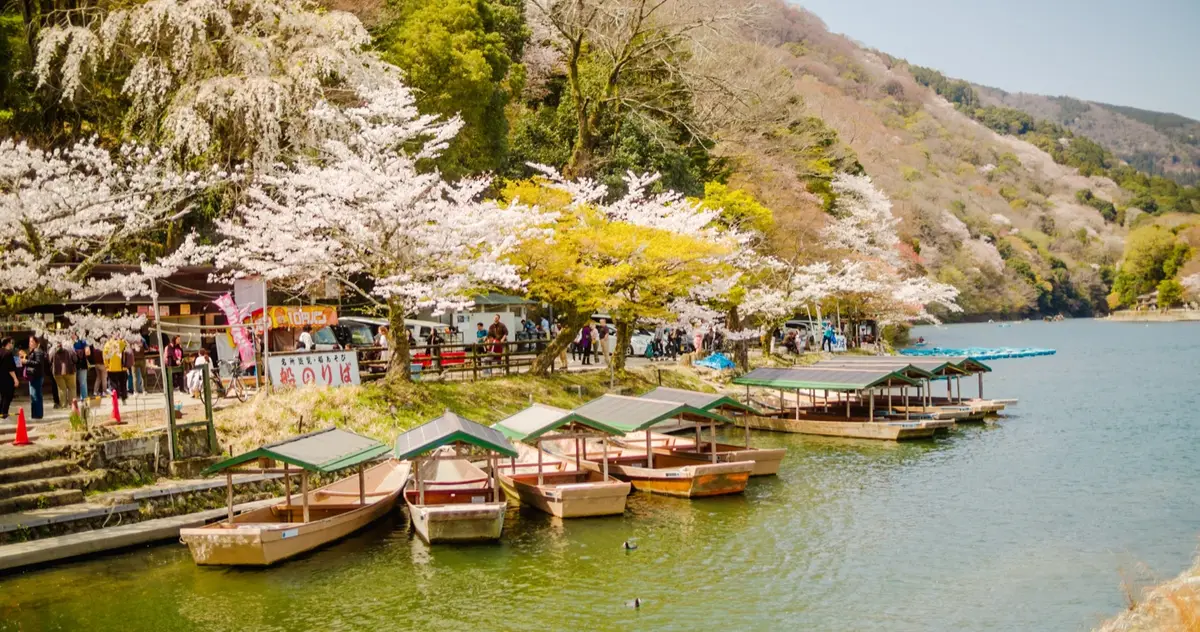
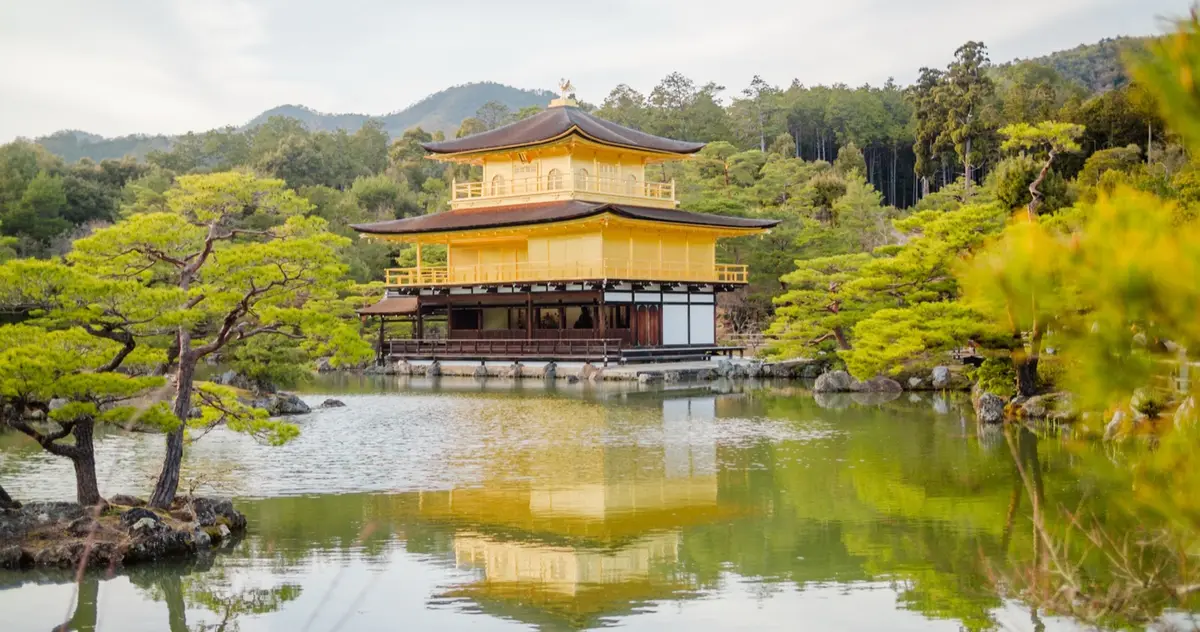
- 02Kjóto4 nightsHigašijama, Arašijama, Kinkakudži, Uji, Fušimi Inari
- 03Fudži · jezero Jamanaka5 nightsauto z půjčovny, Jamanaka, Fudžijošida, Kawaguči, Narusawa
- 04Tokio (Saitama)5 nightsŠibuja, Asakusa, Minato, Šindžuku, Čijoda, výlet do Jokohamy
- 05Okinawa · Onna4 nightsz Narity do Nahy, Motobu, Uruma, Čatan
- 06Ósaka2 nightsNamba, výlet do Kjóta, domů přes Šen-čen (1 noc)
What it cost us
What we actually paid, 3 people, 27 days. Prices may have changed since.
Gear in this post
affiliate · Kiwi.com · Airalo · Alza · EKTA TravelingTransparency: this article contains affiliate links (Airalo, Klook, Alza, Kiwi.com, Kiwitaxi, Radical Storage, EKTA). If you buy something through them, I get a small commission at no extra cost to you – and I only recommend things I’ve actually used or would use.
FAQ
Do I need an eSIM in Japan, or is airport wifi enough?
An eSIM (Airalo/Mobal) is clearly simpler – you activate it on the plane and never have to worry about catching someone else's wifi in Japan. Free wifi does exist there, but not everywhere and not reliably.
Can you travel around Japan without booking ahead?
You can, but it's expensive. We tried it ourselves at Fuji Five Lakes – without a booking we paid more for both the car and the accommodation, and in season we almost couldn't get to where we wanted to go. Book accommodation and key transfers (Shinkansen, car rental) ahead of time.
Is it true that lost items get returned in Japan?
Yes, I experienced it firsthand. I left a backpack in a café in Osaka, and later a camera filter fell between the tracks in Kyoto – both turned up safe. It works in small shops too, not just at the police (kōban).